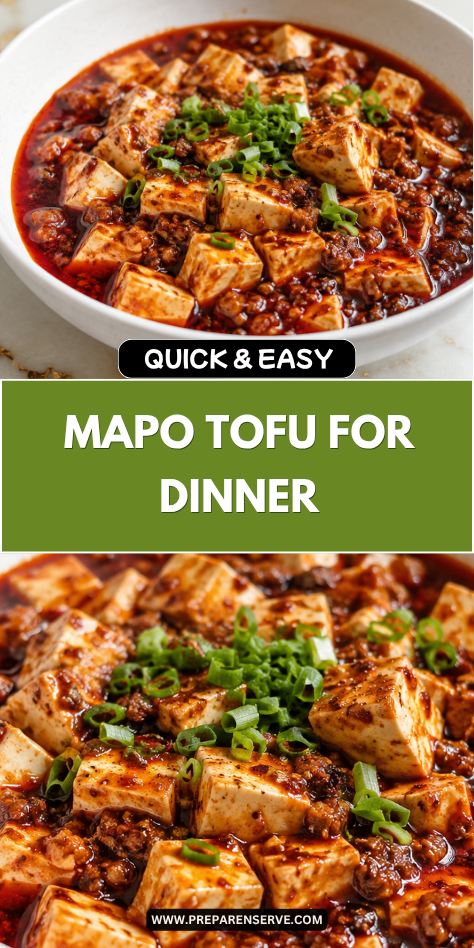
I make Mapo Tofu recipes when I want a warm, saucy dinner that feels bold, comforting, and easy to spoon over rice. The tofu is soft and tender, the sauce is savory and rich, and the little bit of heat makes the whole dish feel cozy without needing a long cooking time.
I like making this at home because I can control the spice level for my family. Traditional mapo tofu can be quite spicy, but this version keeps the flavor deep and satisfying while making it easy to adjust the heat at the table.
Why You’ll Love This Recipe
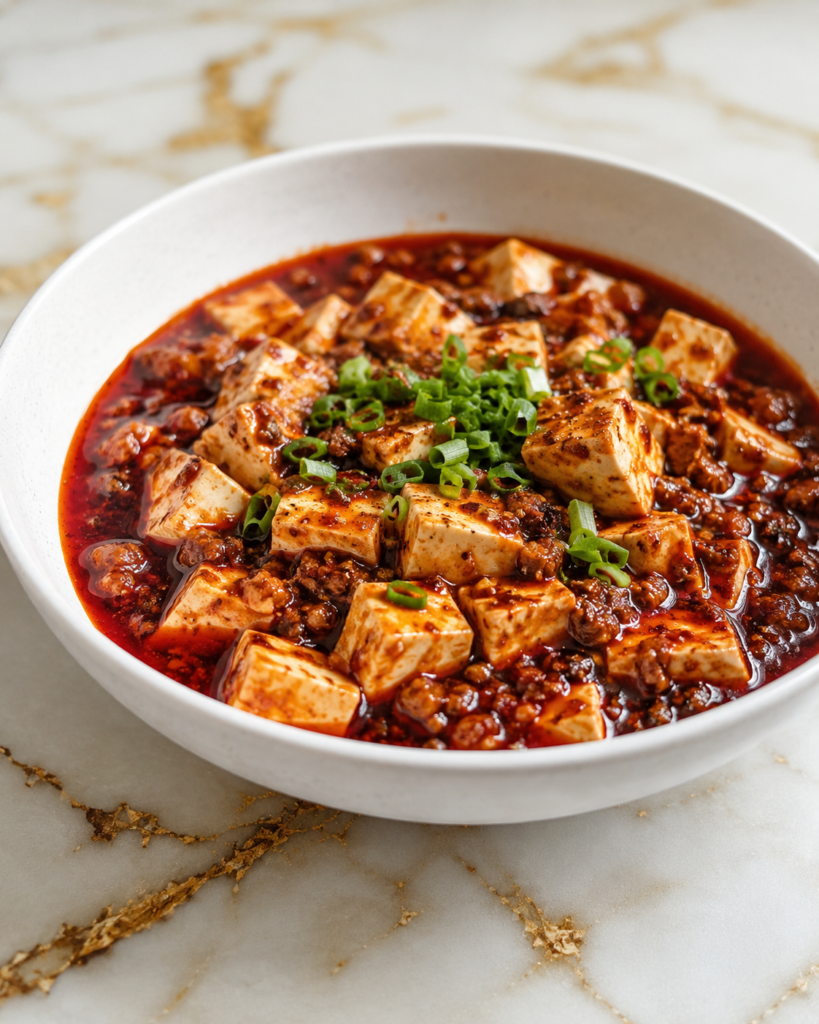
Mapo Tofu recipes are full of rich, savory flavor with soft tofu, ground meat, garlic, ginger, and a glossy sauce that coats every bite. It is the kind of dish that tastes like it simmered for a long time, even though it comes together quickly in one pan.
This recipe is also great for families because it can be made mild or spicy. You can use less chili bean paste, skip the extra chili oil, or serve spice on the side so everyone can enjoy their own bowl.
It is a practical weeknight meal because the ingredients are simple once you have the sauce items ready. Served over steamed rice, it becomes a warm, filling dinner that feels comforting and complete.
Serves: 4 people
This recipe serves 4 people when served over rice as a main dish. Each serving has plenty of tofu, sauce, and ground meat, which makes it satisfying without needing many side dishes.
If you are feeding smaller children, you can serve smaller portions with extra rice to soften the flavor. For bigger appetites, add a vegetable side like steamed broccoli, bok choy, or cucumber salad.
Ingredients You’ll Need
For the mapo tofu:
- 1 pound soft tofu or medium tofu, cut into 1-inch cubes
- 1/2 pound ground pork or ground chicken
- 2 tablespoons neutral oil
- 3 garlic cloves, minced
- 1 tablespoon fresh ginger, grated
- 3 green onions, sliced, white and green parts separated
- 2 tablespoons doubanjiang, chili bean paste
- 1 tablespoon low-sodium soy sauce
- 1 tablespoon Shaoxing wine or dry sherry
- 1 teaspoon sesame oil
- 1 teaspoon sugar
- 1/2 teaspoon ground Sichuan peppercorns, plus more to taste
- 1/2 teaspoon kosher salt, plus more to taste
- 1/4 teaspoon white pepper or black pepper
- 1 1/2 cups low-sodium chicken broth or vegetable broth
- 1 tablespoon cornstarch
- 2 tablespoons water
- 1 teaspoon chili oil, optional
For serving:
- 3 cups cooked jasmine rice or steamed white rice
- 2 tablespoons sliced green onion tops
- 1 teaspoon toasted sesame seeds, optional
- Steamed broccoli, bok choy, or cucumbers, optional
Pro Tips
Use soft or medium tofu for the best texture. Firm tofu will hold its shape better, but softer tofu gives the dish that tender, classic feel.
Handle the tofu gently once it goes into the pan. Stir around the tofu instead of stirring hard through it, so the cubes stay mostly whole.
Taste the doubanjiang before adding extra salt. Chili bean paste can be salty, and different brands vary, so it is better to season slowly.
Bloom the garlic, ginger, green onion whites, and chili bean paste in oil before adding the broth. This helps the sauce taste deeper and more rounded.
Mix the cornstarch with cold water before adding it to the pan. This prevents lumps and helps the sauce become smooth and glossy.
Adjust the heat for your family. Use less doubanjiang for a milder dish, skip the chili oil, and add extra spice only to adult portions.
Tools You’ll Need
- Large nonstick skillet or wok
- Cutting board
- Sharp knife
- Measuring cups
- Measuring spoons
- Wooden spoon or silicone spatula
- Small bowl for cornstarch slurry
- Grater or microplane
- Fine-mesh strainer, optional for draining tofu
- Rice cooker or medium saucepan for rice
- Serving bowls
Substitutions and Variations
Make It Milder
Use 1 tablespoon of doubanjiang instead of 2 tablespoons and skip the chili oil. The sauce will still taste savory and rich, but it will be gentler for kids or anyone who does not enjoy much heat.
Use a Different Protein
Ground chicken, ground turkey, ground beef, or finely chopped mushrooms can replace ground pork. Keep the amount the same so the sauce stays balanced and hearty.
Make It Vegetarian
Skip the ground meat and use finely chopped mushrooms or plant-based ground meat. Use vegetable broth instead of chicken broth to keep the dish fully vegetarian.
Change the Tofu Texture
Use medium tofu for a soft texture or firm tofu if you want cubes that hold together more easily. Soft tofu is more delicate, while firm tofu is easier for beginners to handle.
Add More Vegetables
Stir in peas, mushrooms, spinach, or finely chopped bok choy near the end of cooking. Keep the vegetables small so the mapo tofu stays saucy and easy to spoon over rice.
Make Ahead Tips
Mapo Tofu recipes are best served fresh, but you can still prepare several parts ahead to make dinner easier. Cut the tofu, mince the garlic, grate the ginger, slice the green onions, and measure the sauce ingredients before you start cooking.
You can cook the rice ahead and store it in the refrigerator for up to 3 days. Reheat it with a splash of water so it becomes soft and steamy again before serving.
The ground pork or chicken can also be cooked a few hours ahead if needed. Store it covered in the refrigerator, then warm it in the skillet before adding the garlic, ginger, sauce, and tofu.
For the best texture, add the tofu and cornstarch slurry close to serving time. Tofu is delicate, and the sauce tastes smoothest when thickened right before the meal goes to the table.
Instructions
Step 1: Prepare the Tofu
Drain the tofu and gently pat it dry with paper towels. Cut it into 1-inch cubes and set it aside on a plate.
Try not to press soft tofu too firmly, because it can break apart. If using medium tofu, it will be a little easier to handle while still staying tender.
Step 2: Make the Cornstarch Slurry
In a small bowl, stir together the cornstarch and water until smooth. Set it near the stove so it is ready when the sauce needs thickening.
Make sure there are no dry clumps in the mixture. A smooth slurry helps the sauce turn glossy instead of lumpy.
Step 3: Cook the Ground Meat
Heat the neutral oil in a large nonstick skillet or wok over medium-high heat. Add the ground pork or ground chicken and cook for 4 to 5 minutes, breaking it into small pieces as it browns.
The meat should be cooked through and lightly browned in spots. Small pieces work best because they spread evenly through the sauce.
Step 4: Add Aromatics
Add the minced garlic, grated ginger, and white parts of the green onions to the skillet. Stir for about 30 seconds, just until fragrant.
Keep the mixture moving so the garlic does not burn. This step builds the base flavor for the whole dish.
Step 5: Stir in the Chili Bean Paste
Add the doubanjiang to the skillet and stir it into the meat mixture. Cook for 1 to 2 minutes so the paste warms in the oil and deepens in flavor.
This step helps the sauce taste richer and less raw. If you are making a mild version, use the smaller amount of doubanjiang and skip extra chili oil later.
Step 6: Add the Sauce Ingredients
Stir in the soy sauce, Shaoxing wine or dry sherry, sesame oil, sugar, ground Sichuan peppercorns, kosher salt, white pepper or black pepper, and broth. Mix until everything is combined.
Bring the sauce to a gentle simmer. Taste carefully and adjust the salt only if needed, since doubanjiang and soy sauce can already be salty.
Step 7: Add the Tofu
Gently slide the tofu cubes into the simmering sauce. Use a spoon or spatula to move the sauce around the tofu instead of stirring too hard.
Simmer for 4 to 5 minutes so the tofu warms through and absorbs some of the flavor. The sauce should bubble gently, not boil hard.
Step 8: Thicken the Sauce
Give the cornstarch slurry another quick stir, then slowly drizzle it into the skillet. Gently move the sauce around the tofu as it thickens.
Cook for 1 to 2 minutes, until the sauce looks glossy and lightly thickened. It should coat the tofu and meat but still be loose enough to spoon over rice.
Step 9: Finish and Serve
Turn off the heat and drizzle with chili oil if using. Sprinkle the green onion tops over the pan.
Serve the mapo tofu warm over cooked jasmine rice or steamed white rice. Add toasted sesame seeds, steamed broccoli, bok choy, or cucumbers on the side if you like.
Serving Suggestions
Mapo Tofu recipes are best served over hot steamed rice because the sauce is rich, savory, and perfect for spooning. Jasmine rice, short-grain white rice, or plain steamed rice all work well.
For a simple family dinner, serve it with steamed broccoli or bok choy. The mild vegetables balance the sauce and make the plate feel complete.
A cool cucumber salad is also a nice side because it softens the heat. Sliced cucumbers with a little rice vinegar and sesame oil keep the meal fresh.
If you are serving kids, spoon the tofu and sauce over extra rice to make the flavor milder. You can also keep chili oil off the main pan and let adults add it at the table.
For a heartier meal, add dumplings, egg drop soup, or stir-fried greens on the side. These pair well with the saucy tofu without making dinner feel too complicated.
Leftover mapo tofu also makes a good rice bowl the next day. Add a fried egg, extra green onions, or steamed vegetables for an easy lunch.
Leftovers and Storage
Leftover Mapo Tofu recipes should be cooled and stored in an airtight container in the refrigerator. They will keep well for up to 3 days.
The sauce may thicken as it sits, and the tofu may release a little water. Stir gently before reheating so the sauce comes back together.
Reheat leftovers in a skillet over medium-low heat until warm. Add a splash of broth or water if the sauce is too thick.
You can also reheat it in the microwave in short bursts, stirring gently between each one. Be careful not to stir too hard because the tofu can break.
Freezing is not the best choice for this dish. Tofu can become spongy after freezing and thawing, and the sauce may change texture.
Nutrition and Benefits
- Tofu adds plant-based protein. Tofu makes this dish soft, filling, and satisfying. It also absorbs the savory sauce well, which gives every bite plenty of flavor.
- Ground meat makes the sauce hearty. A small amount of ground pork or chicken adds richness and helps the dish feel like a full meal. It spreads through the sauce so each spoonful tastes savory.
- Garlic and ginger build flavor. These simple aromatics make the sauce warm and fragrant. They help the dish taste fresh and homemade.
- Sichuan peppercorns add a unique taste. They bring a gentle tingly flavor that makes mapo tofu special. You can use less for a family-friendly version.
- Rice makes the meal complete. Steamed rice balances the bold sauce and makes the dish more filling. It also helps soften the heat for kids or mild spice lovers.
Recipe FAQ
Can I make Mapo Tofu recipes less spicy?
Yes, you can make this dish much milder. Use only 1 tablespoon of doubanjiang and skip the chili oil. You can also add extra broth or serve it with more rice. This keeps the flavor savory while making the heat easier for kids and mild spice lovers.
What kind of tofu is best for mapo tofu?
Soft tofu or medium tofu gives the most tender texture. Medium tofu is easier to handle if you are worried about breaking the cubes. Firm tofu can also be used, but it will not feel as silky. Choose the texture your family enjoys most.
Can I make this vegetarian?
Yes, you can make it vegetarian by leaving out the ground meat. Use finely chopped mushrooms or plant-based ground meat for a hearty texture. Be sure to use vegetable broth instead of chicken broth. The sauce will still be rich, savory, and satisfying.
What can I use instead of doubanjiang?
Doubanjiang gives mapo tofu its classic salty, spicy, fermented flavor. If you do not have it, you can use a mix of chili garlic sauce and a little miso paste, but the flavor will not be exactly the same. Start with a small amount and adjust slowly. The dish will still taste good, just less traditional.
Why did my tofu break apart?
Tofu can break if it is stirred too hard or boiled too strongly. Slide it gently into the sauce and move the sauce around the cubes instead of stirring through them. A wide skillet also helps give the tofu more space. Medium tofu is a good choice for beginners.
Can I make this ahead for meal prep?
Yes, but the texture is best when freshly cooked. You can prepare the sauce and meat ahead, then add the tofu when reheating. If fully cooked ahead, store it in the refrigerator and reheat gently. Add a splash of broth or water if the sauce thickens.
What should I serve with mapo tofu?
Steamed rice is the classic and easiest choice. You can also serve it with broccoli, bok choy, cucumber salad, dumplings, or stir-fried greens. Mild sides help balance the bold sauce. Keep the sides simple so the mapo tofu stays the main focus.
A Warm Saucy Dinner for Rice Bowls
Mapo Tofu recipes bring soft tofu, savory sauce, and warm spices together in a meal that feels comforting and full of flavor. It is quick enough for a weeknight but still has the rich taste of something made with care.
This is a dish worth making again because it is flexible, filling, and easy to adjust for your family’s spice level. Served over rice with simple vegetables, it becomes a dependable dinner that feels cozy, bold, and satisfying.