I make Spaghetti Carbonara when I want a dinner that feels comforting, simple, and a little special without needing a long list of ingredients. It is creamy without using cream, rich without feeling fussy, and full of that cozy pasta flavor that makes everyone happy to sit down at the table.
This is one of those meals I like to make when the day has been busy but I still want something homemade. The sauce comes together with eggs, cheese, pasta water, and crispy pancetta or bacon, and when it is done right, it feels smooth, silky, and deeply satisfying.
Why You’ll Love This Recipe
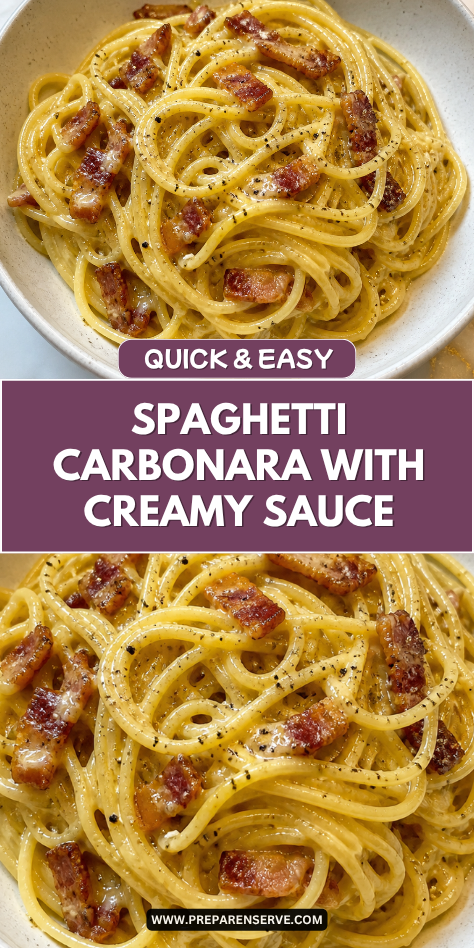
Spaghetti Carbonara is a classic pasta dish that uses simple ingredients to create big flavor. The salty pancetta, nutty cheese, black pepper, and tender spaghetti come together in a sauce that feels rich and comforting without being heavy.
This recipe is great for weeknights because it cooks quickly once everything is ready. The key is setting up the ingredients before the pasta finishes boiling, so the warm spaghetti can turn the egg and cheese mixture into a glossy sauce.
It is also a family-friendly meal because it feels familiar and cozy. Kids usually love the pasta and crispy bits of pancetta or bacon, while adults appreciate the simple, classic flavor.
Serves: 4 people
This recipe serves 4 people as a main dish with generous bowls of pasta. If you are serving it with salad, roasted vegetables, or garlic bread, it can stretch a little further for smaller appetites.
For younger kids, the portions can be smaller because carbonara is rich and filling. If you are feeding very hungry eaters, you can add a simple side dish to round out the meal without changing the pasta itself.
Ingredients You’ll Need
For the Pasta
- 12 ounces spaghetti
- 1 tablespoon kosher salt, for the pasta water
- 1 cup reserved pasta water, as needed
For the Carbonara Sauce
- 3 large eggs
- 1 large egg yolk
- 1 cup finely grated Parmesan cheese or Pecorino Romano cheese
- ½ teaspoon black pepper, plus more for serving
- ¼ teaspoon kosher salt, optional and to taste
For the Pancetta or Bacon
- 6 ounces pancetta, diced, or thick-cut bacon, chopped
- 1 tablespoon olive oil, only if needed
- 2 garlic cloves, lightly smashed, optional
For Serving
- ¼ cup extra grated Parmesan cheese or Pecorino Romano cheese
- Extra black pepper, to taste
- 1 tablespoon chopped fresh parsley, optional
Spaghetti is the classic choice for carbonara because the long strands hold the silky sauce well. You can use another long pasta, but spaghetti gives the dish that familiar texture and look.
Eggs are what make the sauce creamy. They are gently warmed by the hot pasta and pasta water, which creates a smooth coating instead of scrambled eggs when handled carefully.
Parmesan or Pecorino Romano brings the salty, savory flavor that carbonara is known for. Pecorino is sharper and more traditional in many versions, while Parmesan is a little milder and often easier for families.
Pancetta gives the pasta a rich, salty bite. Bacon works well too, especially for a family kitchen, and it adds a lightly smoky flavor that many people enjoy.
Black pepper is more than just a small seasoning here. It gives carbonara warmth and balance, so using freshly cracked pepper makes a big difference.
Pro Tips
Have all the ingredients measured and ready before you start cooking the pasta. Carbonara moves quickly at the end, and being prepared helps the sauce come together smoothly.
Use finely grated cheese so it melts easily into the eggs and hot pasta. Large shreds may clump instead of turning into a silky sauce.
Save the pasta water before draining the spaghetti. The starchy water helps loosen the sauce and makes it cling to the noodles.
Take the pan off the heat before adding the egg mixture. The warmth from the pasta is enough to cook the eggs gently, while direct heat can turn them into scrambled eggs.
Toss the pasta constantly when adding the sauce. Moving the spaghetti helps the eggs, cheese, and pasta water blend into a creamy coating.
Add pasta water slowly. Start with a few tablespoons, then add more only as needed until the sauce looks glossy and smooth.
Taste before adding extra salt. Pancetta, bacon, Parmesan, and Pecorino can all be salty, so the pasta may need less salt than you expect.
Tools You’ll Need
- Large pot for boiling pasta
- Large skillet or sauté pan
- Mixing bowl
- Measuring cups
- Measuring spoons
- Whisk
- Tongs
- Cutting board
- Sharp knife
- Cheese grater or microplane
- Ladle or heat-safe measuring cup for pasta water
- Colander
- Wooden spoon or silicone spatula
- Serving bowls
A large pot gives the spaghetti enough room to cook evenly without sticking together. Salting the water helps season the pasta from the inside, which makes the final dish taste better.
A large skillet is helpful because you will toss the pasta with the pancetta and sauce in the same pan. Choose one with enough space so the spaghetti can move easily as you mix.
Tongs make carbonara much easier to handle. They help lift, turn, and toss the spaghetti so the sauce coats every strand.
A fine grater is also important for the cheese. The smaller the cheese is grated, the better it melts into the sauce.
Substitutions and Variations
Use Bacon Instead of Pancetta
Thick-cut bacon works well if pancetta is not easy to find. It adds a smoky flavor that is not traditional, but it is delicious and very family-friendly.
Try Pecorino Romano
Use Pecorino Romano instead of Parmesan for a sharper, saltier flavor. You can also use half Parmesan and half Pecorino for a balanced taste.
Make It Lighter
Use turkey bacon and reduce the cheese slightly for a lighter version. The sauce will still feel creamy if you toss it well with hot pasta and starchy pasta water.
Add Vegetables
Stir in peas, sautéed mushrooms, or spinach for extra color and texture. Keep the add-ins simple so the carbonara still tastes like carbonara.
Use a Different Pasta Shape
Linguine, fettuccine, bucatini, or rigatoni can be used instead of spaghetti. Choose a shape that can hold the sauce well and still toss easily with the egg mixture.
Make Ahead Tips
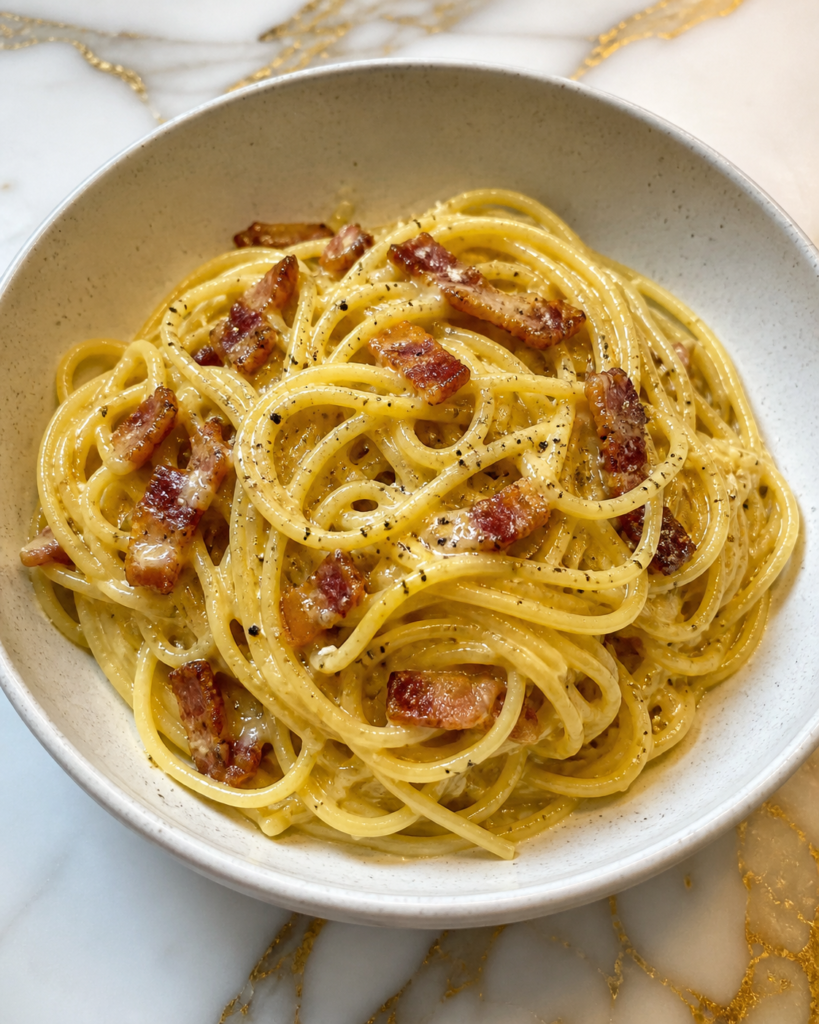
Spaghetti Carbonara is best served right after it is made because the sauce is at its smoothest when freshly tossed with hot pasta. Since the sauce depends on eggs, cheese, and pasta water, it can thicken quickly as it sits.
You can still prep several parts ahead to make dinner easier. Dice the pancetta or bacon, grate the cheese, crack the eggs, and measure the black pepper before you start cooking.
The egg and cheese mixture can be whisked together up to a few hours ahead and kept covered in the refrigerator. Let it sit at room temperature for about 15 minutes before using so it blends more smoothly with the hot pasta.
If you are making this for family dinner, set out the tools and ingredients before boiling the spaghetti. Carbonara comes together fast at the end, so having everything ready makes the process feel calm and simple.
I do not recommend freezing carbonara. The egg-based sauce can separate and become grainy after thawing and reheating.
Instructions
Step 1: Prepare the Sauce Mixture
In a medium mixing bowl, whisk together the eggs, egg yolk, finely grated Parmesan or Pecorino Romano, black pepper, and a small pinch of kosher salt if using. The mixture should look thick, smooth, and creamy.
Set the bowl near the stove, but not directly over heat. This keeps it ready for tossing while preventing the eggs from warming too early.
Step 2: Cook the Pancetta or Bacon
Place the diced pancetta or chopped bacon in a large skillet over medium heat. Cook for 6 to 8 minutes, stirring often, until the pieces are crisp and the fat has rendered.
If the pan looks dry, add 1 tablespoon of olive oil. If using smashed garlic cloves, add them during the last 1 to 2 minutes for flavor, then remove and discard them before adding the pasta.
Step 3: Boil the Spaghetti
Bring a large pot of water to a boil and add the kosher salt. Add the spaghetti and cook until al dente according to the package directions, usually about 8 to 10 minutes.
Stir the pasta during the first minute to help prevent sticking. The spaghetti should be tender but still have a little firmness in the center.
Step 4: Save the Pasta Water
Before draining the spaghetti, carefully scoop out about 1 cup of the starchy pasta water. This water is important because it helps loosen the sauce and make it silky.
Start with less water when mixing, then add more only as needed. Too much at once can make the sauce thin instead of glossy.
Step 5: Add Pasta to the Skillet
Turn the heat under the skillet to low or off, depending on how hot the pan is. Add the drained spaghetti directly to the skillet with the pancetta or bacon and rendered fat.
Use tongs to toss the pasta until it is coated in the flavorful fat. This step helps the sauce cling better and gives the spaghetti a rich, savory base.
Step 6: Add the Egg and Cheese Mixture
Remove the skillet fully from the heat before adding the egg and cheese mixture. Pour the mixture over the hot spaghetti while tossing constantly with tongs.
The heat from the pasta will gently thicken the eggs and melt the cheese. Keep the pasta moving so the sauce becomes creamy instead of clumpy.
Step 7: Loosen with Pasta Water
Add reserved pasta water a few tablespoons at a time while tossing. The sauce should turn smooth, glossy, and creamy enough to coat the spaghetti.
If the sauce looks too thick, add another splash of pasta water. If it looks too loose, keep tossing for a minute so the cheese and eggs can tighten slightly.
Step 8: Taste and Finish
Taste the pasta and add more black pepper if needed. Add extra cheese only after tasting, since pancetta, bacon, Parmesan, and Pecorino can be salty.
Serve the carbonara right away in warm bowls. Top with extra grated cheese, more black pepper, and chopped parsley if your family likes a little fresh color.
Serving Suggestions
Spaghetti Carbonara is rich and comforting, so I like serving it with something fresh on the side. A simple green salad with lemon dressing or vinaigrette helps balance the creamy pasta.
Garlic bread is a family favorite with this meal. It is not traditional, but it is practical, cozy, and perfect for rounding out a weeknight dinner.
Roasted broccoli, asparagus, or green beans also pair well with carbonara. The vegetables bring color and a gentle crispness that works nicely with the silky pasta.
For a lighter plate, serve smaller bowls of pasta with sliced tomatoes or cucumber salad. The fresh vegetables keep the meal from feeling too heavy.
Carbonara also works well for a relaxed dinner with soup or antipasto-style sides. A small plate of olives, roasted peppers, or fresh fruit can make the meal feel complete without much effort.
If you are serving kids, offer extra cheese at the table. Many children enjoy adding their own sprinkle, and it makes the meal feel a little more fun.
Leftovers and Storage
Store leftover Spaghetti Carbonara in an airtight container in the refrigerator for up to 3 days. Let the pasta cool before covering it, but do not leave it at room temperature for more than 2 hours.
Carbonara thickens as it chills because the cheese and egg sauce sets around the pasta. This is normal, and it can still be reheated gently with a little added moisture.
To reheat, place the pasta in a skillet over low heat with a splash of water. Toss slowly until warmed through, adding more water a little at a time if needed.
You can also reheat it in the microwave using short intervals. Add a small splash of water, cover loosely, and stir between each interval so the pasta warms evenly.
Avoid high heat when reheating because the sauce can turn grainy or the eggs can overcook. Carbonara tastes best fresh, but gentle reheating keeps leftovers enjoyable.
Nutrition and Benefits
- Good source of protein: The eggs, cheese, and pancetta or bacon add protein and make the pasta filling. This helps a smaller portion feel satisfying.
- Simple ingredients: Carbonara uses a short list of basic ingredients like spaghetti, eggs, cheese, black pepper, and pancetta or bacon. It is a good reminder that simple food can still feel special.
- No cream needed: The sauce becomes creamy from eggs, cheese, and starchy pasta water. This gives the dish a classic silky texture without adding heavy cream.
- Family-friendly comfort: The flavors are savory, mild, and familiar. Kids often enjoy the noodles and crispy bacon-style pieces, while adults appreciate the peppery cheese sauce.
- Easy to pair with vegetables: A salad or roasted vegetable side balances the richness of the pasta. This makes it simple to build a fuller family meal.
Recipe FAQ
Can I make carbonara with bacon?
Yes, bacon works well in a family kitchen and is easy to find. It adds a smoky flavor that is different from pancetta but still delicious. Use thick-cut bacon if possible so the pieces stay meaty and crisp.
Why did my eggs scramble?
The pan was likely too hot when the egg mixture was added. Remove the skillet from the heat before pouring in the eggs and toss constantly. The pasta should be hot enough to thicken the sauce gently without direct heat.
Does carbonara have cream?
Classic carbonara does not use cream. The creamy texture comes from eggs, cheese, and starchy pasta water. When tossed well, these ingredients create a glossy sauce that coats the spaghetti.
What cheese is best for carbonara?
Pecorino Romano is traditional and gives a sharper, saltier flavor. Parmesan is milder and often more family-friendly. A mix of both is a good option if you want balance.
Can I add peas to carbonara?
Yes, peas can be added if your family enjoys them. Stir in thawed frozen peas during the last minute of cooking the pasta or toss them into the skillet with the hot spaghetti. They add sweetness, color, and a little extra texture.
How do I keep carbonara creamy?
Use finely grated cheese, save pasta water, and toss the sauce off the heat. Add pasta water slowly until the sauce looks smooth and shiny. Serve right away because the sauce thickens as it sits.
Can I use another pasta shape?
Yes, linguine, fettuccine, bucatini, or rigatoni can work. Long pasta gives the classic feel, while short pasta holds little pockets of sauce and pancetta. Choose a shape your family enjoys and cook it al dente.
A Silky Pasta Dinner Worth Sitting Down For
Spaghetti Carbonara is one of those simple meals that feels comforting every time it lands on the table. The warm pasta, crispy pancetta or bacon, creamy egg sauce, and black pepper come together with dependable flavor and very little fuss.
It is easy enough for a busy night but special enough to feel like a homemade treat. With a few careful steps and simple ingredients, this classic pasta is worth making again whenever your family needs a cozy dinner.