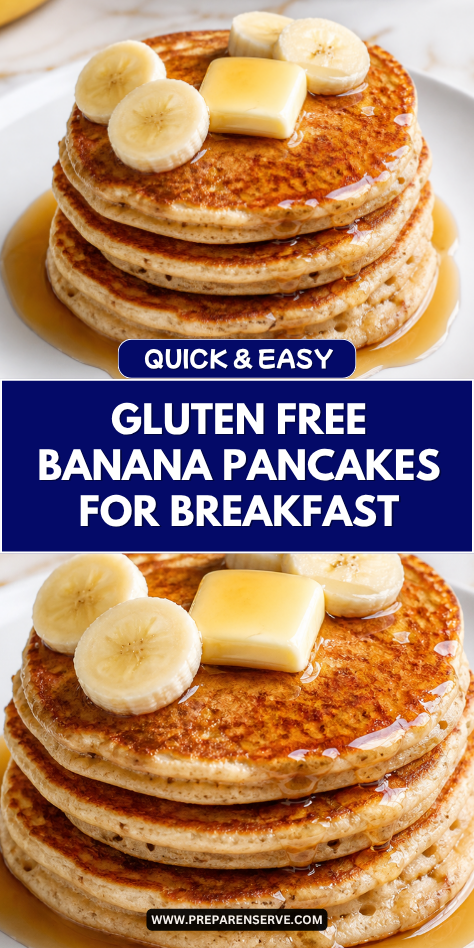
I make Gluten-Free Banana Pancakes when I want a breakfast that feels soft, warm, and comforting without needing anything complicated. The bananas add natural sweetness, the batter comes together quickly, and the pancakes cook up tender with golden edges.
This is one of those recipes I like for slow mornings, but it also works on busy days when I need something dependable. My family enjoys them because they taste cozy and familiar, and I like that they are simple enough to make with pantry ingredients.
Why You’ll Love This Recipe
Gluten-Free Banana Pancakes are soft, lightly sweet, and easy to make in one bowl. The mashed banana gives the pancakes flavor and moisture, while gluten-free flour keeps them fluffy without needing wheat flour.
This recipe is family-friendly because the flavor is mild and comforting. Kids can enjoy them with maple syrup, yogurt, berries, or peanut butter, while adults can add nuts, cinnamon, or a little extra fruit.
They are also a helpful breakfast for different needs. Whether you are cooking for someone who avoids gluten or you simply want a banana pancake recipe that feels easy and wholesome, this one is dependable and satisfying.
Serves: 4 people
This recipe serves 4 people and makes about 10 to 12 medium pancakes, depending on how much batter you use for each one. That usually gives each person 2 to 3 pancakes, which is a nice breakfast portion with fruit, eggs, or yogurt on the side.
For younger kids, you can make smaller silver-dollar pancakes. They cook quickly, are easy to hold, and work well for lunch boxes or snack plates too.
Ingredients You’ll Need
For the Pancakes
- 2 medium ripe bananas, mashed
- 2 large eggs
- 1 cup milk, dairy or unsweetened dairy-free milk
- 2 tablespoons melted butter or neutral oil
- 1 tablespoon maple syrup or honey, optional
- 1 teaspoon vanilla extract
- 1 ¼ cups gluten-free all-purpose flour blend with xanthan gum
- 2 teaspoons baking powder
- ½ teaspoon ground cinnamon
- ¼ teaspoon kosher salt
- ¼ teaspoon baking soda
For Cooking
- 1 to 2 tablespoons butter or neutral oil, for the pan
For Serving
- Maple syrup
- Sliced bananas
- Fresh berries
- Greek yogurt or dairy-free yogurt
- Peanut butter or almond butter, optional
- Chopped walnuts or pecans, optional
Ripe bananas are important because they bring sweetness, moisture, and flavor to the pancakes. Bananas with brown spots are best because they mash easily and make the batter taste naturally sweet.
Eggs help the pancakes hold together and give them structure. This is especially helpful in gluten-free pancakes, since they do not have the same stretch that regular wheat flour gives.
Milk loosens the batter and helps the pancakes cook up tender. You can use regular milk, almond milk, oat milk, or another unsweetened dairy-free milk, depending on what your family uses.
A gluten-free all-purpose flour blend works best for this recipe. Choose one that includes xanthan gum, because it helps the pancakes hold their shape and gives them a softer texture.
Baking powder and a little baking soda help the pancakes rise. Cinnamon and vanilla make the banana flavor warmer and more comforting without overpowering the batter.
Pro Tips
Use very ripe bananas for the best flavor and texture. The softer and sweeter the bananas are, the better they blend into the batter and sweeten the pancakes naturally.
Do not overmix the batter. Stir just until the dry ingredients disappear, because overmixing can make gluten-free pancakes turn dense or gummy.
Let the batter rest for 5 to 10 minutes before cooking. This gives the gluten-free flour time to hydrate and helps the pancakes cook up softer.
Cook the pancakes over medium or medium-low heat. Gluten-free pancakes can brown quickly on the outside before the inside is done, so steady heat works best.
Wait for bubbles to form on the surface before flipping. The edges should look slightly set, and the bottom should be golden before you turn each pancake.
Make smaller pancakes if you are new to gluten-free batter. Smaller pancakes are easier to flip and cook more evenly, especially for kids.
Keep cooked pancakes warm in a low oven while you finish the batch. Place them on a baking sheet in a 200°F oven so everyone can eat together.
Tools You’ll Need
- Large mixing bowl
- Medium mixing bowl, optional
- Fork or potato masher
- Whisk
- Measuring cups
- Measuring spoons
- Rubber spatula
- Large nonstick skillet or griddle
- Spatula for flipping
- Ladle or ¼-cup measuring cup
- Small bowl for melted butter
- Baking sheet, optional for keeping pancakes warm
- Parchment paper, optional
- Serving plates
A nonstick skillet or griddle makes pancake cooking much easier. Gluten-free batter can be a little more delicate than regular pancake batter, so a smooth cooking surface helps prevent sticking and tearing.
A fork or potato masher is helpful for mashing the bananas. You can leave a few tiny banana pieces if your family likes texture, or mash them very smooth for a softer pancake.
A ¼-cup measuring cup helps keep the pancakes the same size. Even portions cook at the same pace and stack neatly on the plate.
A wide spatula is best for flipping. It supports the whole pancake and helps keep the tender gluten-free texture from breaking apart.
Substitutions and Variations
Make It Dairy-Free
Use unsweetened almond milk, oat milk, or coconut milk in place of regular milk. Cook the pancakes with neutral oil or dairy-free butter to keep the recipe fully dairy-free.
Use Oat Flour
You can replace the gluten-free all-purpose flour with certified gluten-free oat flour for a heartier flavor. The pancakes may be a little more tender, so make them smaller for easier flipping.
Add Chocolate Chips
Stir ⅓ cup gluten-free chocolate chips into the batter for a sweeter breakfast treat. This is a fun option for weekends or special mornings while still keeping the banana pancake base the same.
Boost the Texture
Add ¼ cup chopped walnuts, pecans, or sunflower seeds to the batter. These give the pancakes a little crunch and pair nicely with the soft banana flavor.
Make Them Heartier
Add 2 tablespoons ground flaxseed or chia seeds to the batter. This adds texture and helps make the pancakes more filling without changing the cozy banana flavor.
Make Ahead Tips
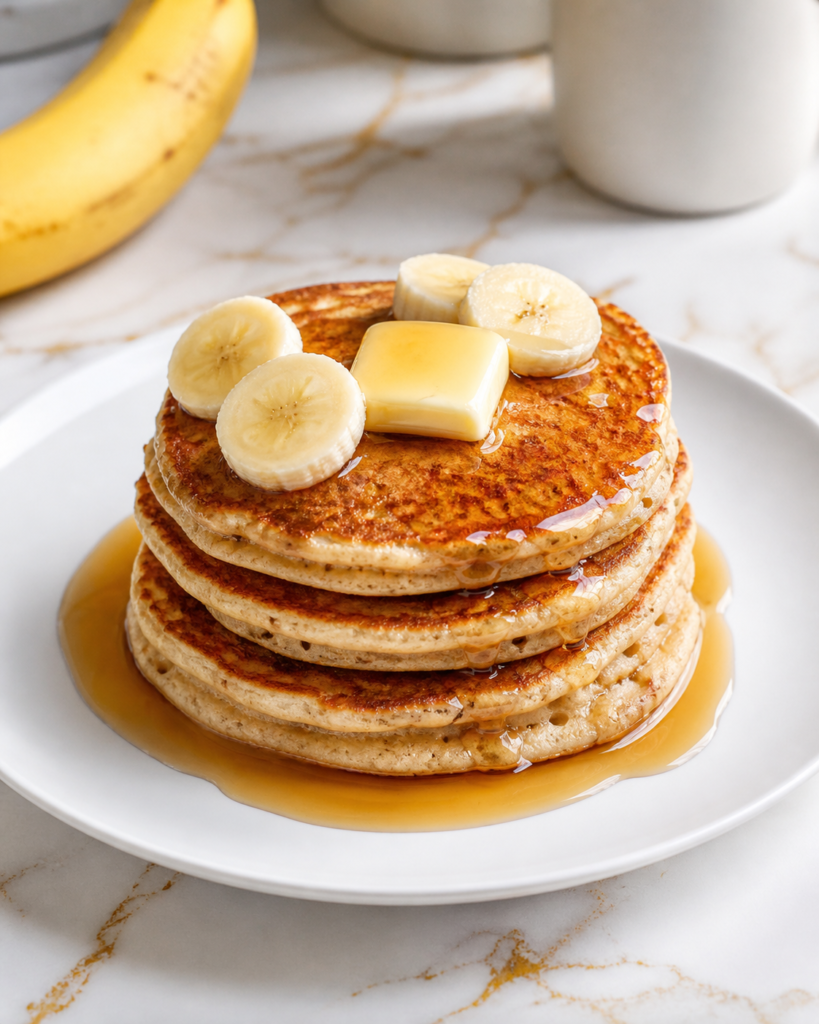
Gluten-Free Banana Pancakes are a great make-ahead breakfast because they store and reheat well. You can cook a full batch, let the pancakes cool, and keep them ready for quick mornings during the week.
The batter is best cooked soon after mixing, but you can mash the bananas and measure the dry ingredients ahead of time. Store the dry ingredients in a covered bowl or jar, then mix them with the wet ingredients when you are ready to cook.
Cooked pancakes can be refrigerated for up to 4 days. Stack them with small pieces of parchment paper between layers if you want to keep them from sticking together.
They also freeze nicely for meal prep. Place cooled pancakes in a single layer on a baking sheet, freeze until firm, then move them to a freezer-safe bag for up to 2 months.
For busy school mornings, I like freezing them in small stacks. That makes it easy to pull out just what we need without thawing the whole batch.
Instructions
Step 1: Mash the Bananas
Peel the ripe bananas and place them in a large mixing bowl. Mash them with a fork or potato masher until mostly smooth, with just a few small banana pieces left for texture.
The bananas should be soft and easy to mash. If they are still firm, the pancakes will not have the same natural sweetness or moisture.
Step 2: Mix the Wet Ingredients
Add the eggs, milk, melted butter or neutral oil, maple syrup or honey if using, and vanilla extract to the mashed bananas. Whisk until the mixture looks smooth and evenly combined.
It is fine if there are tiny banana pieces in the bowl. Those little bits soften as the pancakes cook and add a nice banana flavor.
Step 3: Add the Dry Ingredients
Sprinkle the gluten-free all-purpose flour blend, baking powder, cinnamon, kosher salt, and baking soda over the wet mixture. Stir gently with a rubber spatula until no dry flour streaks remain.
Try not to overmix the batter. Gluten-free pancake batter can become dense or gummy if it is stirred too much.
Step 4: Rest the Batter
Let the batter sit at room temperature for 5 to 10 minutes. This short rest gives the gluten-free flour time to absorb the liquid.
The batter should look slightly thick but still scoopable. If it becomes too thick, stir in 1 to 2 tablespoons of milk to loosen it.
Step 5: Heat the Skillet
Place a large nonstick skillet or griddle over medium or medium-low heat. Add a small amount of butter or neutral oil and spread it across the surface.
The pan is ready when a small drop of batter gently sizzles. If the butter browns too fast, lower the heat before adding the pancakes.
Step 6: Cook the First Side
Scoop about ¼ cup of batter for each pancake onto the hot skillet. Spread it slightly with the back of the measuring cup if the batter is thick.
Cook for 2 to 3 minutes, until bubbles form on the surface and the edges look set. The bottom should be golden before you flip.
Step 7: Flip and Finish Cooking
Slide a wide spatula under each pancake and flip gently. Cook for another 1 to 2 minutes, until the second side is golden and the center is cooked through.
Gluten-free pancakes can be a little more delicate than regular pancakes. Smaller pancakes are easier to flip and tend to cook more evenly.
Step 8: Keep Pancakes Warm
Transfer cooked pancakes to a plate or baking sheet. If you are making the whole batch before serving, keep them warm in a 200°F oven.
Repeat with the remaining batter, adding more butter or oil to the pan as needed. Try to wipe out any dark bits between batches so the pancakes stay golden.
Step 9: Add Toppings and Serve
Serve the pancakes warm with maple syrup, sliced bananas, fresh berries, yogurt, nut butter, or chopped nuts. Let everyone add their own toppings so breakfast feels easy and relaxed.
For kids, smaller pancakes with banana slices and a light drizzle of syrup are simple and fun. For adults, yogurt, berries, and nuts make the plate feel a little more filling.
Serving Suggestions
Gluten-Free Banana Pancakes are lovely with warm maple syrup and sliced bananas. The extra banana on top makes the flavor even cozier without needing much added sweetness.
Fresh berries bring a bright, juicy contrast to the soft pancakes. Strawberries, blueberries, raspberries, or blackberries all work well with the banana and cinnamon.
Greek yogurt or dairy-free yogurt adds creaminess and makes the plate feel more balanced. A spoonful on top or on the side works nicely for breakfast or brunch.
Peanut butter, almond butter, or sunflower seed butter can make the pancakes more filling. Warm the nut butter slightly so it drizzles easily over the stack.
For a weekend breakfast, serve the pancakes with scrambled eggs or turkey sausage. The savory side balances the sweetness and makes the meal feel hearty.
For lunch boxes or snack plates, serve mini pancakes at room temperature with fruit and yogurt. They are soft enough for kids and easy to pack in small containers.
Leftovers and Storage
Store leftover Gluten-Free Banana Pancakes in an airtight container in the refrigerator for up to 4 days. Let them cool completely before storing so steam does not make them soggy.
To reheat, warm pancakes in the microwave for 15 to 30 seconds, depending on how many you are heating. You can also warm them in a toaster or toaster oven for a slightly firmer edge.
For freezing, place cooled pancakes on a baking sheet in a single layer and freeze until solid. Move them to a freezer-safe bag or container with parchment paper between layers.
Frozen pancakes keep well for up to 2 months. Reheat them straight from frozen in the microwave, toaster, or a 300°F oven until warm.
Avoid storing pancakes with syrup already on them. The syrup will soak in and make the pancakes too soft, so add toppings after reheating.
Nutrition and Benefits
- Naturally sweet banana flavor: Ripe bananas add sweetness and moisture to the pancakes. This helps keep the recipe cozy and flavorful without needing a lot of added sugar.
- Gluten-free breakfast option: Using a gluten-free all-purpose flour blend makes these pancakes helpful for anyone avoiding wheat. Always check labels to make sure your ingredients are certified gluten-free if needed.
- Family-friendly texture: The pancakes are soft, tender, and easy to chew. This makes them a good choice for kids, brunch, or simple weekday breakfasts.
- Flexible toppings: Fruit, yogurt, nut butter, maple syrup, and nuts all work well with these pancakes. This makes it easy to build a plate that fits different appetites.
- Meal prep friendly: Cooked pancakes refrigerate and freeze well. Having a batch ready can make busy mornings feel much easier.
Recipe FAQ
Can I make these pancakes dairy-free?
Yes, these pancakes are easy to make dairy-free. Use unsweetened almond milk, oat milk, or coconut milk instead of regular milk. Cook them with neutral oil or dairy-free butter.
What gluten-free flour works best?
A gluten-free all-purpose flour blend with xanthan gum works best for this recipe. It helps the pancakes hold together and gives them a softer texture. If your blend does not contain xanthan gum, the pancakes may be more delicate.
Can I use oat flour?
Yes, certified gluten-free oat flour can be used. The pancakes may be softer and a little more fragile, so make them smaller for easier flipping. Letting the batter rest also helps oat flour absorb the liquid.
Why are my pancakes gummy?
The batter may have been overmixed, or the pancakes may have cooked too quickly on the outside. Stir gently and cook over medium-low heat so the centers have time to set. Letting the batter rest can also improve the texture.
Can I make the batter ahead of time?
It is better to cook the batter soon after mixing because the baking powder starts working right away. You can measure the dry ingredients and mash the bananas ahead instead. Mix everything together when you are ready to cook.
Can I freeze these pancakes?
Yes, these pancakes freeze very well. Cool them completely, freeze them in a single layer, then store them in a freezer-safe bag. Reheat from frozen in the microwave, toaster, or oven.
How do I know when to flip them?
Flip the pancakes when bubbles form on top and the edges look set. The bottom should be golden and firm enough to lift with a spatula. If they brown too fast, lower the heat.
A Soft Banana Breakfast to Make Again
Gluten-Free Banana Pancakes are warm, simple, and comforting in the best way. The ripe bananas make them naturally sweet, while the tender texture and golden edges help them feel like a cozy homemade breakfast.
They are easy enough for weekdays and special enough for a slow family morning. With simple toppings and freezer-friendly leftovers, this is a dependable pancake recipe worth keeping close.