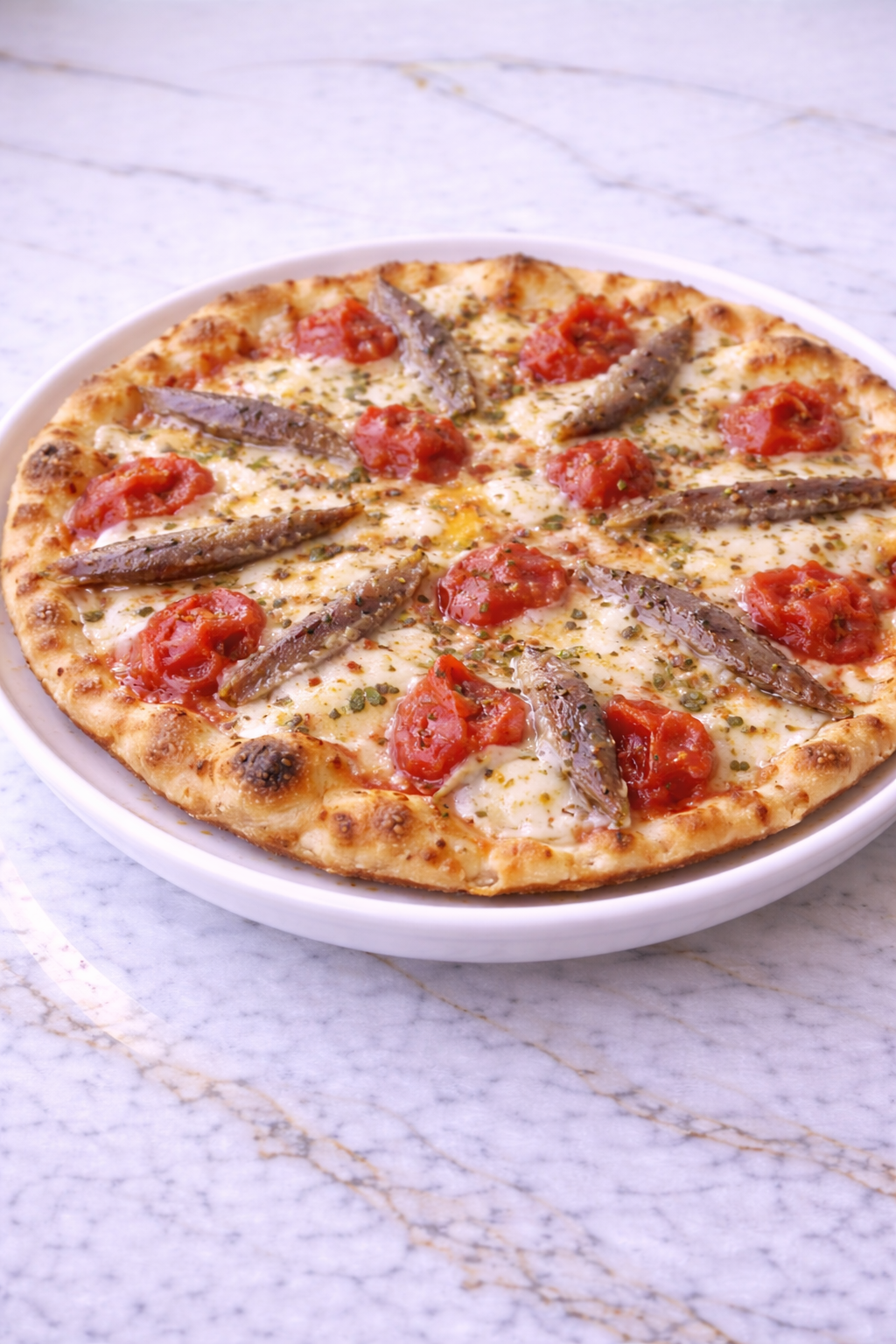
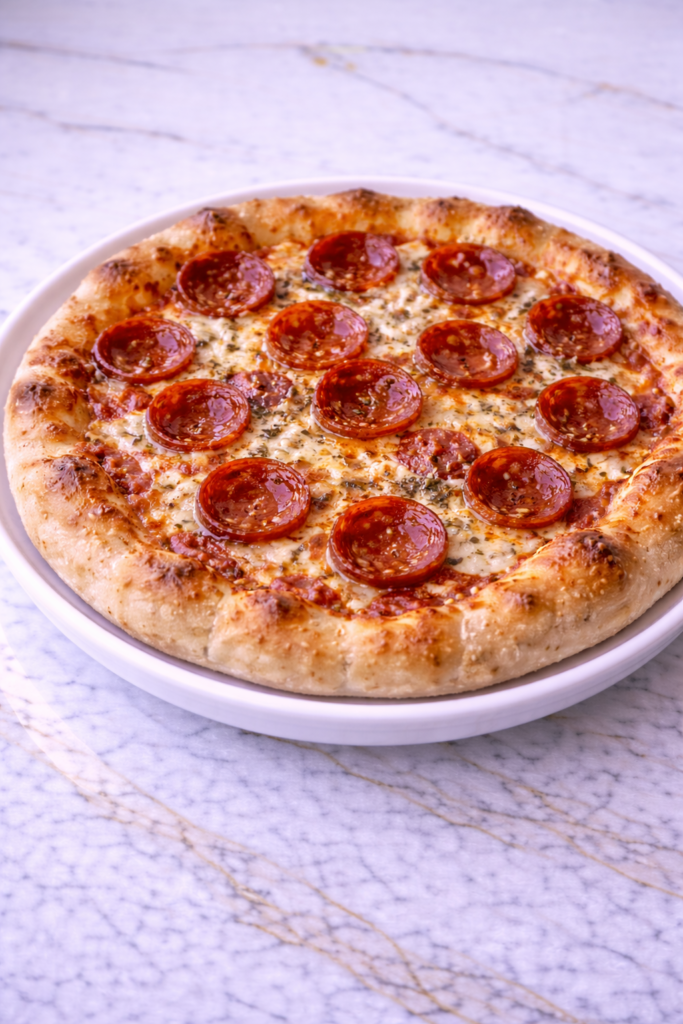
I started making this when I wanted a homemade pepperoni pizza that actually delivered on the crispy crust, saucy base, and those slightly curled, crispy-edged pepperoni slices that make this classic so hard to resist.
Getting it right at home comes down to a few key steps — a well-made dough, a flavorful sauce, and a hot enough oven to get everything blistered and golden the way it should be.
I’ve worked out each element so the whole thing comes together without stress or guesswork.
I’ll walk you through the dough, the sauce, and the baking so yours comes out with that perfect cheesy, pepperoni-loaded top every time. It’s a satisfying, from-scratch pizza night that beats delivery every single time.

Why You’ll Love This Recipe
This pepperoni pizza recipe delivers everything people love about pizza in one dependable, crowd-pleasing dish. The flavors are bold but balanced, with savory pepperoni complementing the rich cheese and sauce. Each bite feels hearty, familiar, and satisfying.
Another reason this recipe stands out is how approachable it is. You don’t need special equipment or advanced skills to make great pepperoni pizza at home. The steps are straightforward and forgiving, making it perfect for beginners and busy families.
Families love this recipe because it’s reliable and universally appealing. Kids enjoy the familiar flavors, while adults appreciate the crisp crust and perfectly baked toppings. This pepperoni pizza recipe fits seamlessly into everyday meals.
Serves: 2 people
This recipe makes one medium pizza that comfortably serves two people. The portions are filling without being overwhelming. If you’re cooking for more people, the recipe can easily be doubled.
Ingredients You’ll Need
Pizza Base
- 1 prepared pizza dough
- 1 tablespoon olive oil
Sauce
- 1/2 cup pizza sauce
Cheese
- 1 1/2 cups shredded mozzarella cheese
Toppings
- 20–25 slices pepperoni
Seasoning
- 1/4 teaspoon salt
- 1/4 teaspoon black pepper
Pro Tips
Use room-temperature pizza dough for easier stretching. Cold dough tends to resist shaping and can tear. Letting it rest makes a noticeable difference.
Don’t overload the pizza with sauce or toppings. Too much can make the crust soggy and prevent even baking. A balanced layer works best.
Choose low-moisture mozzarella for classic results. It melts evenly and creates that signature stretchy texture. This also helps avoid excess moisture.
Preheat your oven thoroughly before baking. High heat is essential for a crisp crust and properly cooked toppings. A fully heated oven improves results every time.
Brush the crust lightly with olive oil before baking. This helps it turn golden and flavorful. It also adds a subtle richness to the edges.
If cooking with kids, let them help arrange the pepperoni. This makes the process fun and builds excitement. Simple involvement goes a long way.
Tools You’ll Need
- Baking sheet or pizza pan
- Parchment paper
- Rolling pin or clean hands
- Measuring cups
- Spoon or ladle
Substitutions and Variations
You can use homemade or store-bought pizza dough depending on your schedule. Both work well with this recipe. Choose what feels easiest.
Marinara sauce can be used instead of pizza sauce. The flavor will be slightly different but still delicious. Choose a smooth, well-seasoned sauce.
Turkey pepperoni can replace traditional pepperoni for a lighter option. The flavor is still satisfying. Adjust quantity to taste.
Part-skim mozzarella works well if you prefer a lighter cheese. Whole-milk mozzarella creates a richer finish. Both melt nicely.
You can add a light sprinkle of dried oregano or crushed red pepper flakes for extra flavor. Keep additions minimal to maintain balance. Simple touches enhance the classic profile.
Make Ahead Tips
Pepperoni pizza can be made even easier with a little planning ahead. You can prepare the pizza dough up to one day in advance and store it in the refrigerator. Chilled dough actually develops better flavor and texture while saving time on pizza night.
Pizza sauce can also be prepared or portioned ahead of time. Store it in an airtight container in the refrigerator so it’s ready to use. Having the sauce ready makes assembly quick and stress-free.
Shredding the cheese in advance is another helpful step. Keep it refrigerated in a sealed container until you’re ready to assemble the pizza. This small bit of prep can make dinner feel much smoother.
On the day you plan to bake, remove the dough from the refrigerator about 30 minutes before shaping. Letting it come to room temperature makes stretching easier. This helps prevent tearing and uneven thickness.
Instructions
Step 1: Preheat the Oven
Preheat your oven to 475°F to ensure the high heat needed for a crisp crust. Allow the oven to heat fully before baking. Proper preheating makes a big difference in texture.
If using a baking sheet or pizza pan, place it in the oven while it preheats. A hot surface helps the bottom of the crust brown more evenly. This step is optional but highly effective.
Step 2: Prepare the Dough
Lightly flour a clean work surface. Place the pizza dough in the center and gently press it into a flat disk. Start shaping from the center and work outward.
Stretch the dough gradually until it reaches your desired size. Leave the edges slightly thicker to form a crust. Avoid using too much flour, as this can dry the dough.
Transfer the shaped dough to parchment paper or a lightly greased pizza pan. Adjust the shape gently if needed. Make sure the dough is evenly stretched.
Step 3: Add the Sauce
Spoon the pizza sauce into the center of the dough. Use the back of a spoon to spread it evenly outward. Leave about one inch of space around the edge for the crust.
Use a light, even layer of sauce. Too much sauce can make the pizza soggy. Even coverage helps the pizza bake properly.
Step 4: Add the Cheese
Sprinkle the shredded mozzarella evenly over the sauce. Make sure the cheese covers the sauce without piling too thickly. Even distribution creates balanced flavor.
Add a light sprinkle of salt and black pepper over the cheese. This enhances the overall taste without overpowering the pizza. Keep seasoning simple for a classic result.
Step 5: Add the Pepperoni
Arrange the pepperoni slices evenly over the cheese. Slight overlap is fine, but avoid stacking too heavily. Even spacing helps the pepperoni crisp and release flavor.
If you like crisp edges on your pepperoni, place some slices closer to the surface rather than buried in cheese. This helps them curl slightly while baking.
Step 6: Bake the Pizza
Carefully transfer the pizza into the preheated oven. Bake for 10 to 14 minutes, depending on your oven. The crust should turn golden and the cheese should bubble.
Rotate the pizza halfway through baking if needed. This helps ensure even browning. Watch closely near the end to prevent overbaking.
Step 7: Rest and Slice
Remove the pizza from the oven once fully baked. Let it rest for 2 to 3 minutes before slicing. Resting helps the cheese set slightly.
Slice the pizza using a sharp knife or pizza cutter. Serve warm for the best texture and flavor. The cheese should be stretchy and smooth.
Serving Suggestions
Pepperoni pizza pairs well with a simple green salad. Crisp greens help balance the richness of the cheese and meat. A light dressing works best.
Serve with garlic bread or breadsticks for a classic pizza night combination. These sides complement the pizza without stealing attention. This pairing is always popular.
For family meals, serve with cut vegetables or fruit on the side. This keeps the meal balanced and approachable. It works especially well for kids.
Pepperoni pizza is also great for casual gatherings. Slice it into smaller pieces for easy sharing. Simple presentation keeps the meal relaxed.
Leftover slices can be enjoyed the next day for lunch or a quick snack. Reheating brings the flavors back to life. It’s just as satisfying the second time around.
Leftovers and Storage
Pepperoni pizza stores very well and often tastes just as satisfying the next day. Allow leftover slices to cool completely before placing them in an airtight container. Stored in the refrigerator, they will keep fresh for up to four days.
For the best reheating results, use the oven or a skillet. These methods help restore the crispness of the crust while evenly warming the cheese and pepperoni. Reheat just until warmed through to avoid drying out the pizza.
Microwaving is the quickest option but may soften the crust. If you choose the microwave, heat briefly and avoid overheating. Finishing a slice in a hot skillet can help improve texture.
Nutrition and Benefits
Pepperoni pizza offers a satisfying balance of comfort and nourishment when enjoyed in moderation. The crust provides carbohydrates that supply energy and help make the meal filling. This makes it a dependable option for busy days.
Mozzarella cheese contributes protein and calcium, which support muscle and bone health. Using quality cheese improves both flavor and nutritional value. Moderation helps keep the meal balanced.
Pepperoni adds bold flavor and protein, making the pizza hearty and satisfying. Choosing portion-controlled amounts keeps the dish enjoyable without feeling heavy. Balance is key.
Pizza sauce provides tomatoes, which contain vitamins and antioxidants. These nutrients support overall wellness. Simple ingredients make it easier to enjoy pizza mindfully.
Recipe FAQ
Can I use store-bought dough for pepperoni pizza?
Yes, store-bought pizza dough works very well. Let it come to room temperature before shaping. This makes stretching easier and improves texture.
Why is my pepperoni greasy after baking?
Pepperoni naturally releases fat as it cooks. Using paper towels to blot excess grease after baking can help. Baking at high heat also helps render fat quickly.
Can I add extra cheese?
You can, but too much cheese can affect baking. A balanced amount melts better and keeps the crust crisp. Light layering works best.
What kind of pepperoni should I use?
Classic sliced pepperoni works well for this recipe. Thicker slices will be chewier, while thinner slices crisp more. Choose based on preference.
Does pepperoni pizza reheat well?
Yes, pepperoni pizza reheats very nicely. The flavors often deepen after resting. Oven or skillet reheating gives the best texture.
Can I make this pizza without a pizza stone?
Absolutely. A baking sheet or pizza pan works perfectly. Preheating the pan helps improve browning.
Is pepperoni pizza kid-friendly?
Pepperoni pizza is a favorite for many kids. If needed, choose mild pepperoni to keep flavors approachable. The familiar taste makes it very appealing.
A Classic Pizza That Always Satisfies
Pepperoni pizza is a timeless favorite for a reason. It delivers bold flavor, comforting texture, and familiar satisfaction in every slice. That dependability makes it hard to beat.
This recipe shows how simple ingredients can come together to create something everyone loves. It doesn’t rely on extras to be memorable. Sometimes the classics really are the best.
Whether it’s a relaxed weeknight dinner or a casual family gathering, pepperoni pizza always fits the moment. It brings people together around a meal that feels easy and joyful. That lasting appeal is what makes it a true staple.