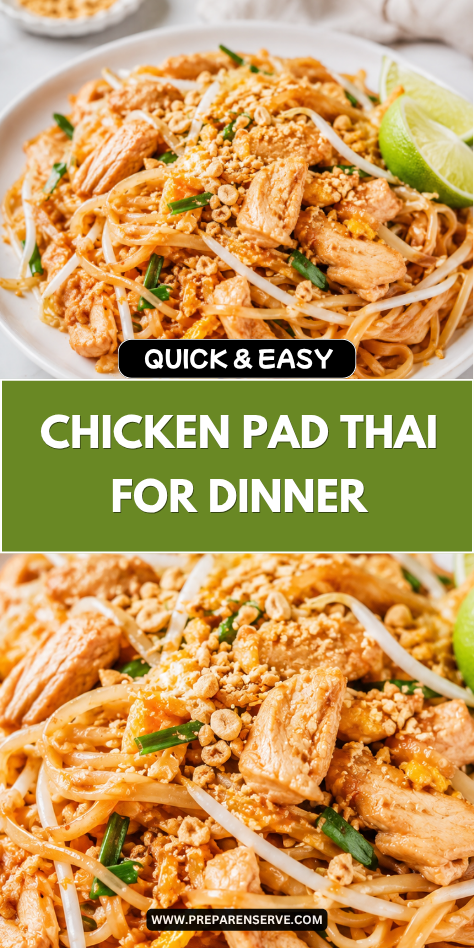
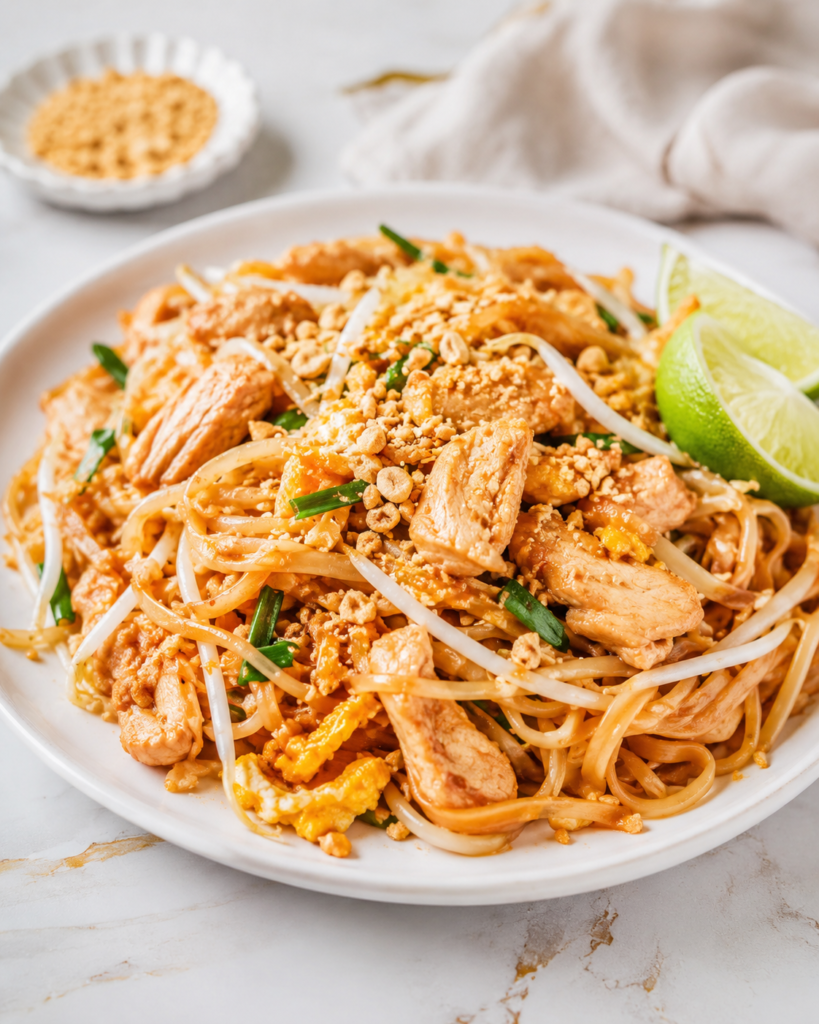
I make Pad Thai with Chicken when I want a dinner that feels bright, cozy, and full of flavor without being too hard to pull together. It has tender noodles, juicy chicken, soft scrambled egg, crunchy peanuts, and a tangy sauce that makes every bite taste balanced and satisfying.
I love making this at home because I can keep the flavors gentle enough for my family while still getting that sweet, salty, and tangy taste we enjoy. It is a fun meal to bring to the table, and it feels special even though the steps are simple once everything is ready.
Why You’ll Love This Recipe
Pad Thai with Chicken is full of texture and flavor, which makes it a favorite for both kids and adults. The rice noodles are soft and chewy, the chicken adds protein, and the peanuts bring a little crunch that makes the dish feel complete.
This recipe is also practical for a weeknight because the cooking happens quickly. Once the sauce is mixed and the ingredients are prepped, everything comes together in one large skillet or wok in just a few minutes.
Families love this dish because it is easy to adjust at the table. You can add extra lime, more peanuts, fresh herbs, or a little chili sauce for anyone who likes more flavor, while keeping the base mild and comforting.
Serves: 4 people
This recipe serves 4 people with generous bowls of noodles, chicken, egg, and toppings. If you are serving it with spring rolls, soup, or a simple cucumber salad, it can stretch a little further for smaller appetites.
For bigger appetites or meal prep, you can add extra chicken or more vegetables without changing the whole recipe. Just make sure your skillet or wok is large enough so the noodles can toss easily with the sauce.
Ingredients You’ll Need
- 8 ounces flat rice noodles
- 1 pound boneless, skinless chicken breast or chicken thighs, thinly sliced
- 2 tablespoons vegetable oil, divided
- 2 large eggs, lightly beaten
- 3 garlic cloves, minced
- 3 green onions, sliced, white and green parts separated
- 1 cup fresh bean sprouts, plus more for serving
- 1/3 cup chopped roasted peanuts, plus more for serving
- 1/4 cup chopped fresh cilantro, optional for serving
- 1 lime, cut into wedges
For the sauce:
- 3 tablespoons fish sauce
- 2 tablespoons tamarind paste or tamarind concentrate
- 2 tablespoons brown sugar
- 1 tablespoon low-sodium soy sauce
- 1 tablespoon fresh lime juice
- 1 teaspoon rice vinegar
- 1/2 teaspoon chili garlic sauce, optional
Pro Tips
Soak the rice noodles until they are pliable but not mushy. They will finish cooking in the skillet, so slightly firm noodles are better than noodles that are already too soft.
Have every ingredient ready before you turn on the stove. Pad Thai cooks fast, and it is much easier when the sauce is mixed, the chicken is sliced, and the toppings are close by.
Slice the chicken thinly so it cooks quickly and stays tender. Pieces that are too thick can take longer to cook and may make the noodles overcook while you wait.
Use a large skillet or wok so the noodles have room to toss with the sauce. A crowded pan can make the noodles clump and steam instead of soaking up flavor.
Keep the heat at medium-high once you start stir-frying. This helps the chicken brown lightly and helps the sauce coat the noodles without turning watery.
Serve lime wedges and peanuts on the side for family-style topping. Kids can keep their bowls simple, while adults can add extra brightness and crunch.
Tools You’ll Need
- Large bowl for soaking noodles
- Large skillet or wok
- Cutting board
- Sharp knife
- Measuring cups
- Measuring spoons
- Small mixing bowl
- Whisk or fork
- Tongs
- Wooden spoon or silicone spatula
- Garlic press, optional
- Citrus juicer, optional
- Serving bowls
Substitutions and Variations
Use a Different Protein
Swap the chicken for shrimp, thinly sliced beef, pork, or tofu. Keep the pieces small so they cook quickly and still blend well with the noodles and sauce.
Make It Gluten-Free
Use gluten-free tamari instead of soy sauce and check that your fish sauce and tamarind paste are gluten-free. Rice noodles are usually gluten-free, but it is always best to read the package label.
Make It Milder
Leave out the chili garlic sauce if your family prefers gentle flavors. You can serve chili flakes, sriracha, or extra chili sauce on the side for anyone who wants heat.
Add More Vegetables
Stir in thinly sliced carrots, bell peppers, snow peas, or shredded cabbage. Keep the vegetables thin so they cook fast and do not weigh down the noodles.
Change the Crunch
Use cashews instead of peanuts, or skip the nuts and add toasted sesame seeds. This keeps the dish crunchy while making it easier to adjust for allergies or family preferences.
Make Ahead Tips
Pad Thai with Chicken cooks quickly, so the best make-ahead plan is to prep the ingredients before you start. You can slice the chicken, mince the garlic, chop the peanuts, cut the lime wedges, and wash the bean sprouts earlier in the day.
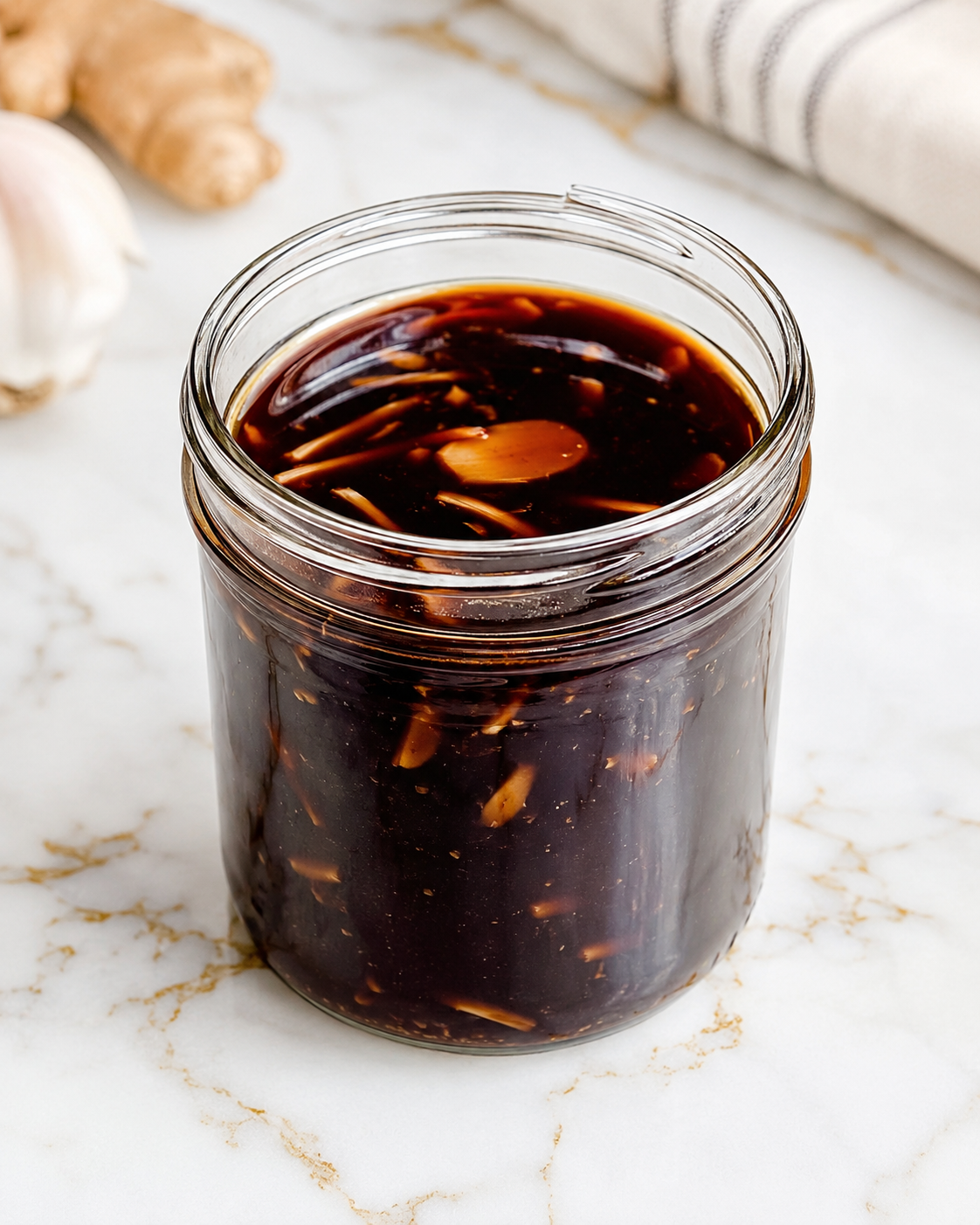
The sauce can also be mixed up to 3 days ahead and stored in a covered jar in the refrigerator. Give it a good shake or stir before using because the sugar and tamarind can settle at the bottom.
Rice noodles are best soaked shortly before cooking, but you can soak them a little ahead if needed. Drain them well, toss them lightly with a tiny bit of oil, and keep them covered so they do not dry out or stick together.
For the freshest texture, I do not recommend fully cooking Pad Thai ahead for a special meal. It tastes best right from the skillet when the noodles are soft, the peanuts are crunchy, and the lime is fresh.
Instructions
Step 1: Soak the Rice Noodles
Place the flat rice noodles in a large bowl and cover them with warm water. Let them soak according to the package directions, usually 20 to 30 minutes, until they are flexible but still a little firm.
Drain the noodles well and set them aside near the stove. They should bend easily without breaking, but they should not be fully soft yet because they will finish cooking in the pan.
Step 2: Mix the Sauce
In a small bowl, whisk together the fish sauce, tamarind paste, brown sugar, soy sauce, lime juice, rice vinegar, and chili garlic sauce if using. Stir until the brown sugar mostly dissolves.
Taste the sauce if you are comfortable doing so, and adjust gently if needed. It should taste tangy, salty, and sweet because the noodles and chicken will soften the flavor once everything is mixed.
Step 3: Prepare the Chicken
Pat the sliced chicken dry with a paper towel so it browns better in the skillet. If the pieces are uneven, cut the larger ones a little smaller so they cook at the same pace.
Keep the chicken close to the stove before heating the pan. Pad Thai moves quickly, so having the chicken ready helps the whole dish come together smoothly.
Step 4: Scramble the Eggs
Heat 1 tablespoon of vegetable oil in a large skillet or wok over medium-high heat. Add the lightly beaten eggs and cook for 30 to 60 seconds, gently scrambling until just set.
Transfer the eggs to a plate and set them aside. They will go back into the skillet later, so it is fine if they look soft instead of fully dry.
Step 5: Cook the Chicken
Add the remaining 1 tablespoon of vegetable oil to the same skillet. Add the sliced chicken in an even layer and cook for 3 to 5 minutes, stirring often, until the pieces are cooked through.
The chicken should be lightly golden in spots and no longer pink in the center. Avoid overcooking it because thin chicken pieces can dry out quickly.
Step 6: Add Garlic and Green Onion Whites
Add the minced garlic and the white parts of the green onions to the skillet with the chicken. Stir for about 30 seconds, just until the garlic smells fragrant.
Do not let the garlic burn, because it can make the whole dish taste bitter. Keep everything moving in the pan during this step.
Step 7: Add the Noodles and Sauce
Add the drained rice noodles to the skillet, then pour the sauce over the top. Use tongs to toss everything together so the noodles are coated and mixed with the chicken.
Cook for 2 to 4 minutes, tossing often, until the noodles are tender and have absorbed most of the sauce. If the pan looks dry before the noodles soften, add 1 to 2 tablespoons of water.
Step 8: Add Eggs, Bean Sprouts, and Peanuts
Return the scrambled eggs to the skillet and gently break them into small pieces. Add the bean sprouts and chopped roasted peanuts, then toss until everything is evenly mixed.
Cook for 1 minute, just long enough to warm the sprouts while keeping some crunch. The noodles should look glossy and lightly coated, not wet or soupy.
Step 9: Finish and Serve
Turn off the heat and sprinkle the green onion tops over the noodles. Add cilantro if using, and serve the Pad Thai with lime wedges and extra peanuts on the side.
Serve right away while the noodles are warm and soft. A fresh squeeze of lime over each bowl makes the flavors taste brighter and more balanced.
Serving Suggestions
Pad Thai with Chicken is filling enough to serve as the main meal. I like to bring it to the table in a large bowl with lime wedges, extra peanuts, and cilantro on the side so everyone can finish their own plate.
For a fresh side, serve it with sliced cucumbers or a simple cucumber salad. The cool crunch balances the warm noodles and makes the meal feel lighter.
Spring rolls are a nice pairing when you want the dinner to feel more complete. Fresh rolls with herbs and vegetables keep the meal bright, while crispy rolls make it feel more like takeout at home.
A small bowl of broth-based soup also works well with Pad Thai. Something light, like chicken broth with vegetables or a simple egg drop soup, keeps the meal comforting without feeling too heavy.
For kids, serve the noodles with the toppings on the side. Some children enjoy the chicken and noodles plain, while others may like adding peanuts or a small squeeze of lime themselves.
If you want to add more vegetables, serve steamed broccoli, snow peas, or edamame alongside the noodles. These sides are easy, mild, and familiar enough for a family dinner.
Leftovers and Storage
Leftover Pad Thai with Chicken can be stored in an airtight container in the refrigerator for up to 3 days. Let the noodles cool before covering them, but do not leave them at room temperature for too long.
The noodles will absorb more sauce as they sit, so leftovers may be a little drier than when first cooked. This is normal and easy to fix with a splash of water, broth, or a little extra lime juice when reheating.
To reheat, warm the noodles in a skillet over medium-low heat with 1 to 2 tablespoons of water. Toss gently until the noodles loosen and the chicken is heated through.
You can also use the microwave for a faster option. Cover the bowl loosely and heat in short bursts, stirring between each one so the noodles warm evenly.
Freezing is not the best choice for Pad Thai because rice noodles can become sticky or break apart after thawing. For best results, enjoy leftovers from the refrigerator within a few days.
Nutrition and Benefits
- Chicken adds filling protein. The sliced chicken helps make this noodle dish more satisfying for lunch or dinner. It also keeps the meal balanced when served with vegetables and eggs.
- Rice noodles make the dish tender and comforting. They have a soft, chewy texture that works well with the tangy sauce. They also cook quickly, which makes this recipe helpful for busy nights.
- Eggs add richness and structure. Scrambled eggs give the Pad Thai a classic texture and mild flavor. They also help the dish feel more complete without adding extra steps.
- Bean sprouts and green onions add freshness. These ingredients bring crunch, color, and a light flavor that balances the noodles. Adding them near the end keeps the texture bright.
- Lime and tamarind brighten the sauce. The tangy ingredients help balance the sweetness of the brown sugar and the saltiness of the fish sauce. This gives the dish its familiar sweet, salty, and sour flavor.
Recipe FAQ
Can I use chicken thighs instead of chicken breast?
Yes, chicken thighs work very well in Pad Thai with Chicken. They stay juicy and are a little more forgiving if they cook for an extra minute. Slice them thinly so they cook quickly and mix easily with the noodles. Chicken breast is leaner, while thighs give a richer flavor.
What can I use instead of tamarind paste?
Tamarind paste gives Pad Thai its classic tangy flavor, but you can use extra lime juice with a small splash of rice vinegar in a pinch. The flavor will not be exactly the same, but it will still taste bright and balanced. Start with a small amount and adjust gently. Avoid adding too much vinegar because it can overpower the sauce.
Why are my rice noodles sticky?
Rice noodles can turn sticky if they are soaked too long or overcooked in the skillet. Soak them only until flexible, not fully soft. Toss them often once they go into the pan with the sauce. If they start sticking, add a tablespoon or two of water and gently loosen them with tongs.
Can I make this without fish sauce?
Yes, you can make it without fish sauce, though the flavor will be less traditional. Use extra soy sauce or tamari with a small pinch of salt to replace it. You can also add a little more lime juice or tamarind to keep the flavor balanced. The dish will still be tasty and family-friendly.
Is Pad Thai with Chicken spicy?
This version is mild if you leave out the chili garlic sauce. The base flavor is more sweet, tangy, and savory than spicy. You can serve chili sauce, red pepper flakes, or sriracha on the side for adults who want heat. This makes it easier to keep one meal friendly for kids and grown-ups.
Can I add more vegetables?
Yes, you can add thinly sliced carrots, bell peppers, snow peas, cabbage, or broccoli. Cook firmer vegetables with the chicken or right after it, so they have time to soften. Add delicate vegetables near the end to keep them fresh. Try not to overload the pan, or the noodles may be hard to toss.
How do I keep Pad Thai from drying out?
Pad Thai can dry out if the noodles absorb too much sauce or cook too long. Keep a little water nearby and add 1 tablespoon at a time if the pan looks dry. Serve it right away for the best texture. When reheating leftovers, add a splash of water or broth to loosen the noodles.
A Bright Noodle Dinner That Feels Homemade
Pad Thai with Chicken is a comforting meal that brings sweet, tangy, salty, and fresh flavors together in one warm bowl. It feels special enough for a weekend dinner but simple enough for a weeknight when you have everything prepped and ready.
The tender noodles, juicy chicken, soft egg, crunchy peanuts, and fresh lime make it a recipe worth coming back to often. It is family-friendly, flexible, and satisfying in a way that makes homemade dinner feel calm, dependable, and full of flavor.