I started making my own pizza dough after realizing that the gap between homemade and store-bought is bigger than I expected and the process is simpler than it looks.
A good dough comes down to the right flour, the right hydration, and giving it enough time to develop flavor and stretch properly.
I’ve worked out the ratios and the resting time so yours comes together reliably without any guesswork or sticky, unworkable mess.
I’ll walk you through the mixing, the kneading, and the rise so you end up with a dough that handles beautifully and bakes into something with real texture and flavor.
It’s a foundational recipe that makes every homemade pizza night feel more rewarding from the very first step.

Why You’ll Love This Recipe
This homemade pizza dough recipe strikes the perfect balance between simplicity and quality. The ingredients are basic pantry staples, yet the result is a dough with great texture and flavor. It bakes up with a crisp exterior and a soft, chewy center.
Another reason this recipe stands out is how approachable it is for beginners. You don’t need years of baking experience to get great results. The steps are clear, and the dough is very forgiving if measurements aren’t perfect.
Families especially love this recipe because it turns dinner into an activity. Kids enjoy helping mix and shape the dough, which makes them more excited to eat the final pizza. Homemade pizza night becomes more than just a meal.
This dough also works well for different pizza styles. You can make thin-crust pizzas, thicker pan-style pizzas, or even personal-sized portions. That flexibility makes it easy to use again and again.
Serves: 2 people
This recipe makes enough dough for two personal-sized pizzas or one medium pizza. The portions are satisfying without being excessive. If you’re cooking for more people, the recipe can be doubled easily.
Ingredients You’ll Need
Dough Base
- 1 1/2 cups all-purpose flour
- 1 teaspoon instant yeast
- 3/4 teaspoon salt
- 1 tablespoon olive oil
- 1/2 cup warm water
Each of these ingredients plays an important role in creating a balanced pizza dough. The flour provides structure, while the yeast allows the dough to rise and develop flavor. Salt enhances taste and strengthens the dough, while olive oil adds tenderness and richness.
Using warm water helps activate the yeast properly. It should feel warm to the touch but not hot. This creates the ideal environment for the dough to rise evenly.
Pro Tips
Measure your flour accurately for best results. Too much flour can make the dough stiff and difficult to stretch. Spoon the flour into the measuring cup and level it off gently.
Use warm water, not hot water, when mixing the dough. Water that is too hot can kill the yeast and prevent the dough from rising. Aim for a temperature that feels comfortably warm.
Allow the dough to rise in a warm, draft-free area. This helps it double in size evenly. A quiet corner of the kitchen works well.
If the dough feels sticky while kneading, add flour a tablespoon at a time. Avoid adding too much at once. The dough should feel soft and slightly tacky.
Let the dough rest before shaping. Resting relaxes the gluten and makes stretching easier. This helps prevent tearing.
For family pizza nights, divide the dough into smaller portions. This makes it easier for kids to handle. Everyone can create their own pizza.
Tools You’ll Need
- Mixing bowl
- Measuring cups
- Measuring spoons
- Wooden spoon or dough whisk
- Clean work surface
Substitutions and Variations
You can substitute bread flour for all-purpose flour if you prefer a chewier crust. Bread flour has higher protein content, which adds structure. The dough may need a bit more water.
For a whole wheat version, replace up to half of the flour with whole wheat flour. This adds a nutty flavor and extra fiber. You may need to add slightly more water.
If you don’t have instant yeast, active dry yeast can be used. Dissolve it in the warm water before mixing. Allow it to sit until foamy.
Olive oil can be replaced with another neutral oil if needed. Avocado oil or vegetable oil work well. The flavor will be slightly different but still enjoyable.
You can add herbs directly to the dough for extra flavor. Dried oregano or garlic powder work well. Add them with the dry ingredients.
Make Ahead Tips
Homemade pizza dough is very forgiving and works well when prepared ahead of time. After mixing and kneading, you can let the dough complete its first rise, then store it in the refrigerator. Chilling the dough slows fermentation while continuing to develop flavor.
If you plan to use the dough within 24 hours, lightly coat it with olive oil and place it in an airtight container. Refrigerated dough is easier to stretch and often produces a better texture. Let it sit at room temperature for about 30 minutes before shaping.
This dough can also be frozen for longer storage. After the first rise, divide it into portions and wrap each tightly in plastic wrap. Place the wrapped dough in a freezer-safe bag and freeze for up to three months.
When ready to use frozen dough, thaw it overnight in the refrigerator. Once thawed, let it rest at room temperature before shaping. This resting period helps the dough relax and stretch easily.
Instructions
Step 1: Mix the Dough
In a large mixing bowl, combine the flour, instant yeast, and salt. Stir gently to evenly distribute the dry ingredients. This ensures the yeast and salt are mixed without direct contact.
Add the olive oil and warm water to the bowl. Stir with a wooden spoon until a shaggy dough forms. The mixture should come together but still look slightly rough.
If dry flour remains at the bottom of the bowl, add a small splash of water. Mix just until everything is incorporated. Avoid overmixing at this stage.
Step 2: Knead the Dough
Transfer the dough to a clean, lightly floured surface. Begin kneading by pushing the dough away from you with the heel of your hand. Fold it back over itself and rotate slightly.
Continue kneading for about 8 to 10 minutes. The dough should become smooth, elastic, and slightly tacky to the touch. If it sticks excessively, add flour one tablespoon at a time.
Proper kneading develops gluten, which gives the dough structure. The dough is ready when it springs back slightly when pressed. This texture ensures a chewy crust.
Step 3: First Rise
Shape the kneaded dough into a smooth ball. Lightly oil the mixing bowl and place the dough inside, turning once to coat. Cover the bowl loosely with a clean kitchen towel.
Set the bowl in a warm, draft-free area. Let the dough rise for about 60 to 90 minutes, or until it has doubled in size. Rising time may vary depending on room temperature.
During this time, the yeast ferments and creates air pockets. These pockets give the dough its light texture. Avoid disturbing the dough while it rises.
Step 4: Punch Down and Rest
Once the dough has doubled, gently punch it down to release excess air. This step redistributes the yeast and relaxes the dough. It should deflate slightly but remain soft.
Transfer the dough back to a lightly floured surface. Knead gently for about one minute to smooth it out. This short knead prepares it for shaping.
Cover the dough and let it rest for 10 minutes. Resting relaxes the gluten and makes stretching easier. This prevents the dough from snapping back.
Step 5: Shape the Dough
Divide the dough if making multiple pizzas. Shape each portion into a ball, tucking the edges underneath. This creates surface tension for better structure.
Press the dough gently into a flat disk using your fingertips. Work from the center outward, leaving the edges slightly thicker. This forms the crust.
Stretch the dough gradually rather than forcing it. If it resists, let it rest for a few minutes and try again. Gentle handling keeps the dough from tearing.
Step 6: Prepare for Baking
Place the shaped dough on a parchment-lined baking sheet or pizza peel. Adjust the shape as needed to create an even round. Make sure the dough is not sticking.
At this stage, the dough is ready for toppings. Add sauce, cheese, and desired toppings evenly. Avoid overloading to ensure even baking.
If not baking immediately, cover the shaped dough lightly. Let it rest for a few minutes before adding toppings. This final rest improves texture.
Serving Suggestions
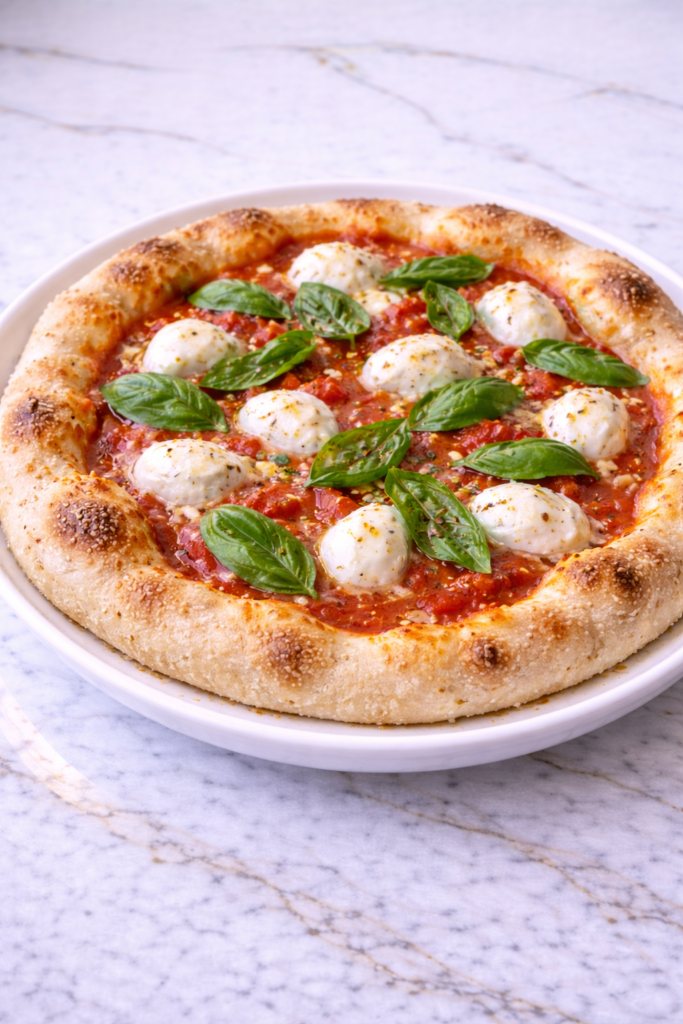
Use this pizza dough as a base for classic cheese or pepperoni pizzas. The neutral flavor pairs well with simple toppings. It’s a reliable choice for traditional pizza nights.
This dough also works well for specialty pizzas. Try adding vegetables, cooked meats, or different cheeses. It adapts easily to creative combinations.
For a family-style meal, cut the baked pizza into large slices. Serve with a simple salad on the side. This keeps the meal balanced and satisfying.
You can also use the dough to make personal-sized pizzas. Smaller portions bake quickly and allow customization. This is especially fun for family pizza nights.
Leftover dough can be shaped into breadsticks or flatbreads. Brush with olive oil and bake until golden. These make a great side dish or snack.
Leftovers and Storage
Leftover pizza dough stores very well when handled properly. If you have unused dough after shaping, wrap it tightly in plastic wrap and place it in an airtight container. Stored in the refrigerator, it will keep for up to three days.
Before using refrigerated dough, allow it to sit at room temperature for about 30 minutes. This helps relax the gluten and makes the dough easier to stretch. Cold dough can be stiff and resistant if used straight from the fridge.
Baked pizza slices can also be stored easily. Once cooled, place slices in an airtight container or wrap them tightly. Refrigerated pizza will stay fresh for up to four days.
Reheat leftover pizza in the oven or a skillet for best texture. This helps restore crispness to the crust. Microwaving works in a pinch but may soften the crust.
Nutrition and Benefits
Homemade pizza dough allows you to control ingredients and portion sizes. Using simple pantry staples keeps the recipe free from unnecessary additives. This makes it a more wholesome option than many store-bought alternatives.
The dough provides carbohydrates that supply energy for busy days. When paired with protein-rich toppings and vegetables, it becomes part of a balanced meal. This flexibility makes it suitable for family dinners.
Olive oil adds flavor while contributing healthy fats. These fats help improve texture and satisfaction. Using moderate amounts keeps the dough tender without excess heaviness.
Making dough at home also encourages mindful cooking. Involving family members turns the process into an activity rather than a chore. That shared experience adds value beyond nutrition.
Recipe FAQ
Can I make this dough without a mixer?
Yes, this dough is designed to be mixed and kneaded by hand. A bowl and spoon are all you need to get started. Hand kneading gives you better control over texture.
Why didn’t my dough rise?
The most common reason is inactive yeast. Water that is too hot can kill yeast, while water that is too cool may not activate it. Always check that your yeast is fresh.
Can I let the dough rise longer?
Yes, longer rising times can improve flavor. Refrigerating the dough overnight allows slow fermentation. This often results in a more developed taste.
Is this dough good for thin crust pizza?
This dough works well for both thin and thicker crusts. Stretch it thinner for a crisp base or leave it slightly thicker for a chewy bite. Adjust baking time as needed.
Can I use this dough for other recipes?
Yes, it can be used for flatbreads, breadsticks, or calzones. The neutral flavor adapts easily. Just adjust shaping and baking time.
What if my dough feels too sticky?
Add flour gradually, one tablespoon at a time. Sticky dough often becomes manageable with kneading. Avoid adding too much flour at once.
Does homemade dough really taste better?
Many people notice a fresher, more flavorful crust with homemade dough. The texture is often softer inside with better chew. The difference becomes even more noticeable once you’re used to it.
A Foundation for Memorable Pizza Nights
Homemade pizza dough is more than just a recipe. It’s a reliable starting point for meals that bring people together. The simple process and consistent results make it easy to return to again and again.
This dough proves that homemade doesn’t have to be complicated. With basic ingredients and a little time, you can create something satisfying and familiar. That sense of comfort is what makes it special.
Whether used for classic pizza or creative variations, this recipe fits into everyday life. It supports relaxed meals and shared moments around the table. That dependability is what makes it worth keeping.