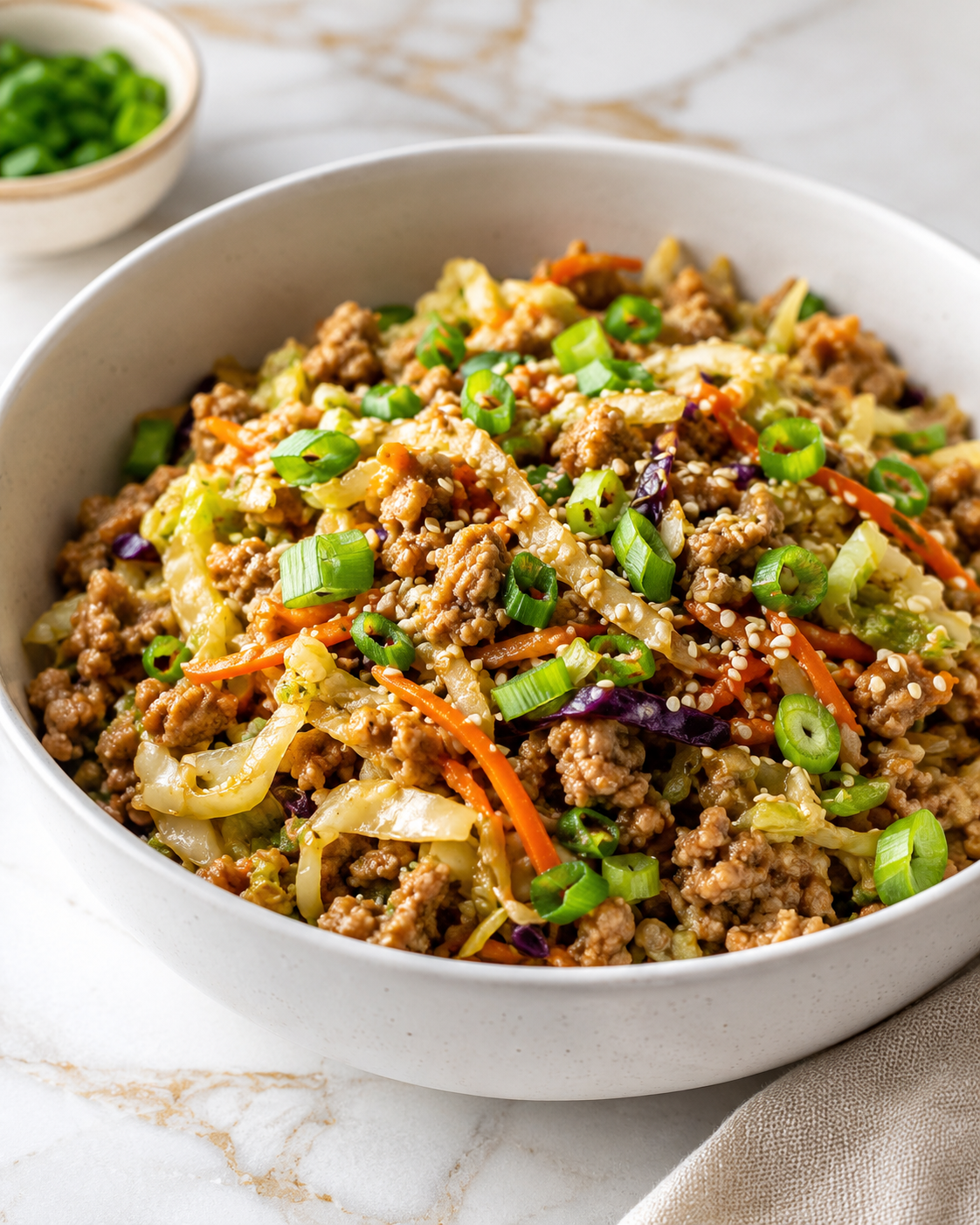
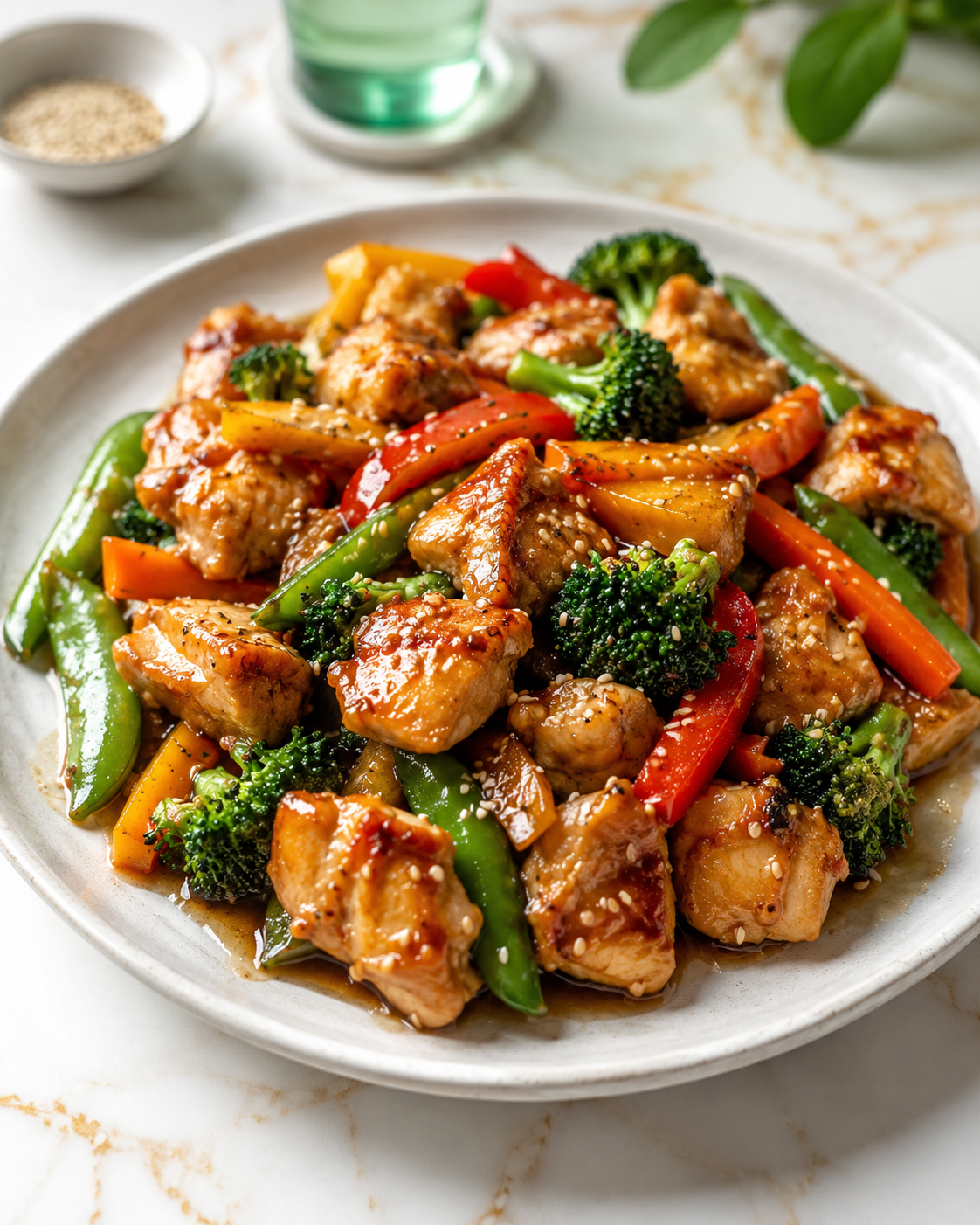
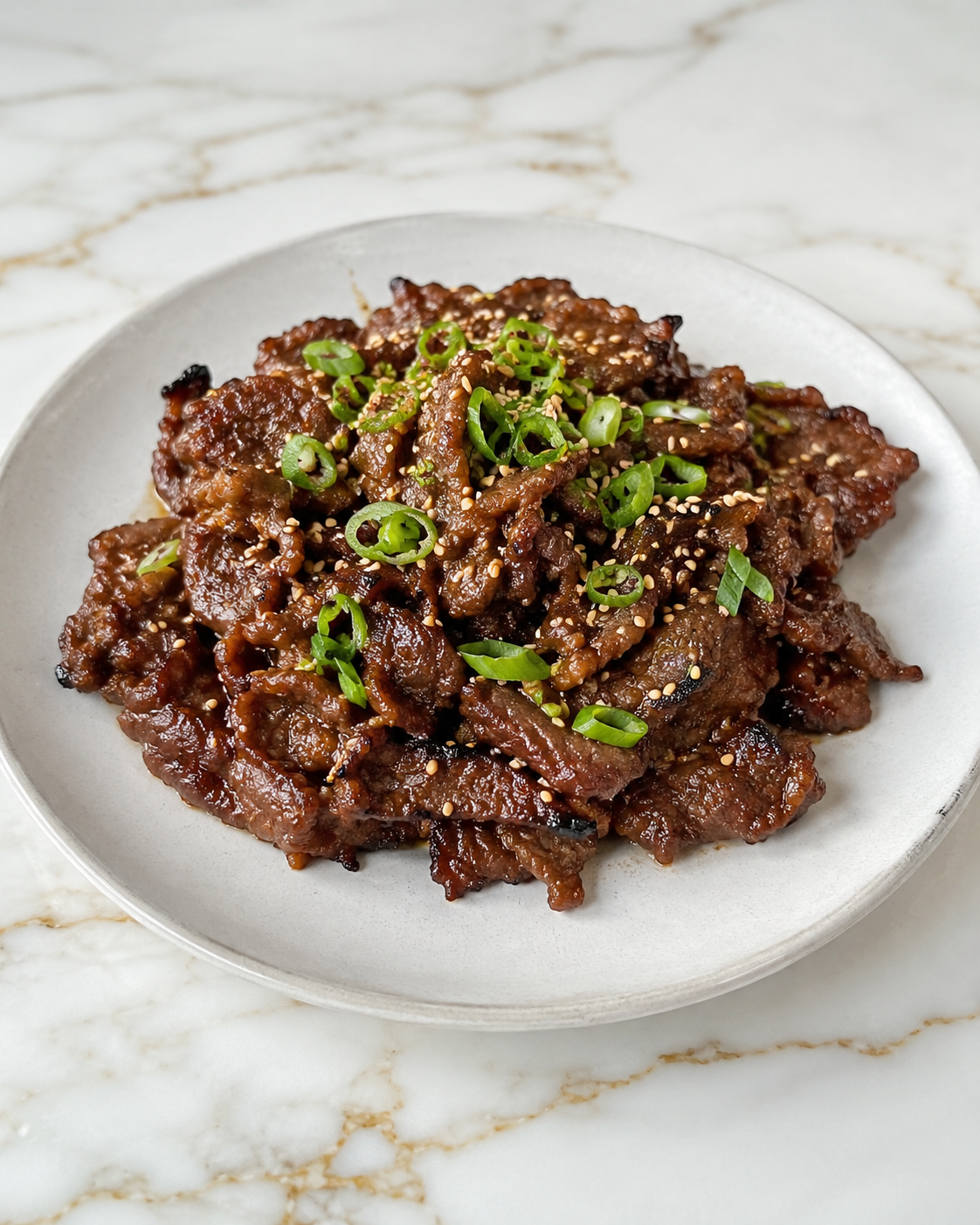
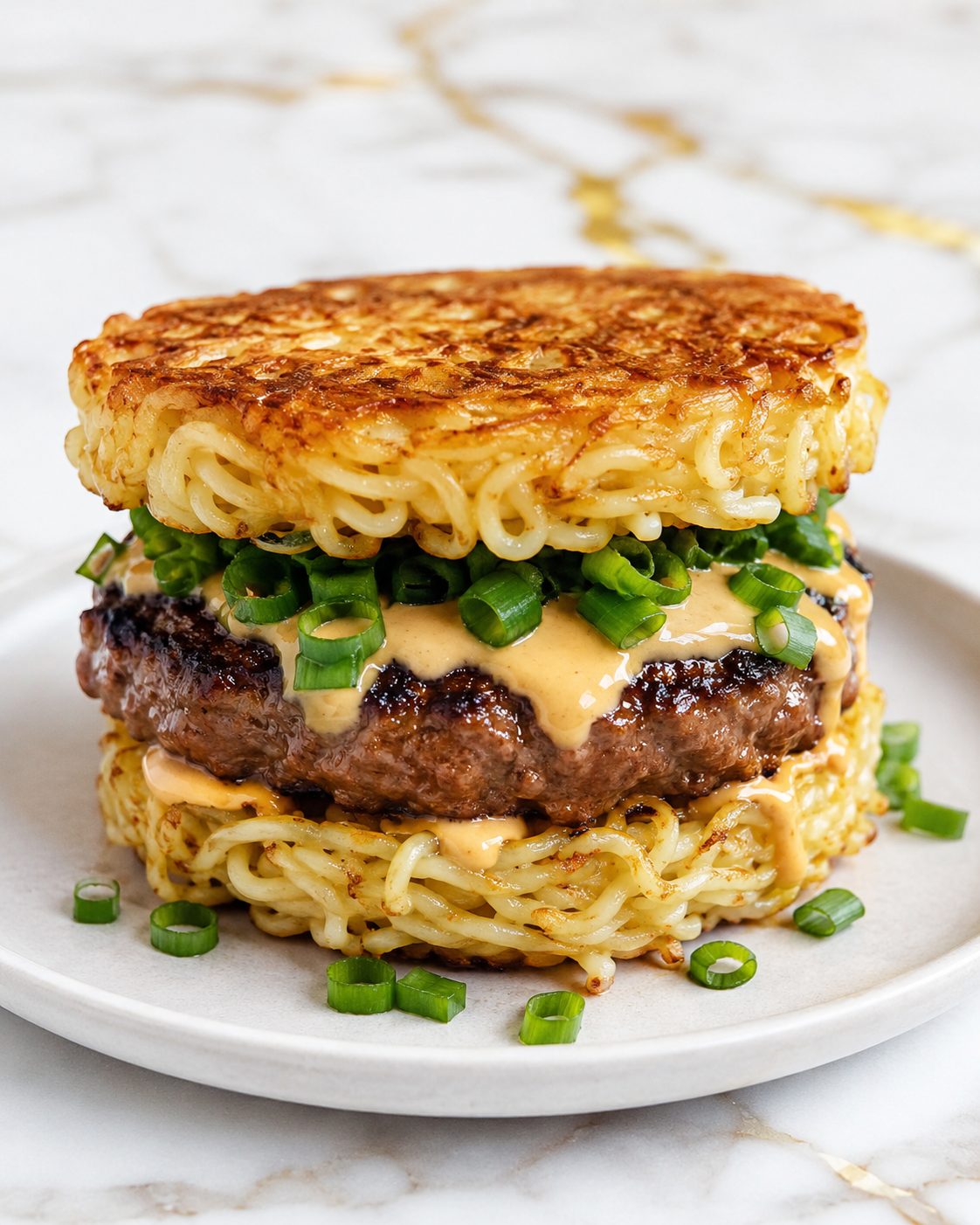
I make classic teriyaki marinade when I want a simple way to add sweet, savory flavor to dinner without doing much extra work. It is one of those recipes that turns basic chicken, beef, pork, tofu, or vegetables into something that tastes rich and homemade.
This marinade is smooth, salty, lightly sweet, and full of garlic and ginger. I like that it comes together in just a few minutes with pantry ingredients, then does the work while the food rests in the fridge.
It is especially helpful on busy family days because I can mix it ahead and use it later. The flavor works well for grilled chicken, baked salmon, stir-fry bowls, skewers, rice bowls, and simple weeknight meals.
What I love most is how dependable it is. Once you know the basic balance of soy sauce, sweetness, garlic, ginger, and a little acid, you can adjust it to fit what your family likes while still keeping that classic teriyaki flavor.

Why You’ll Love This Recipe
Classic teriyaki marinade is easy, flavorful, and made with ingredients that are simple to keep in the kitchen. The soy sauce gives it a deep savory base, the brown sugar and honey add sweetness, and the garlic and ginger make it taste fresh and warm.
This recipe is also very family-friendly because the flavor is bold but not too spicy. Kids often enjoy the sweet-savory taste, and adults can add chili flakes, sesame oil, or green onions for extra flavor at the table.
It is a useful marinade for meal planning because it works with many proteins and vegetables. You can use it for chicken thighs, chicken breasts, steak, pork chops, shrimp, tofu, salmon, mushrooms, zucchini, bell peppers, or broccoli.
Serves: 6 people
This recipe makes about 1 cup of marinade, which is enough for 1 1/2 to 2 pounds of chicken, beef, pork, seafood, tofu, or vegetables. If you are cooking for a larger group or want extra sauce for serving, you can easily double the recipe.
Ingredients You’ll Need
- 1/2 cup low-sodium soy sauce
- 1/4 cup water
- 3 tablespoons light brown sugar, packed
- 2 tablespoons honey
- 2 tablespoons rice vinegar
- 1 tablespoon sesame oil
- 3 garlic cloves, minced
- 1 tablespoon fresh ginger, grated
- 1 tablespoon cornstarch, optional if turning into a sauce
- 2 tablespoons cold water, optional for cornstarch slurry
- 1 teaspoon toasted sesame seeds, optional for serving
- 2 tablespoons sliced green onions, optional for serving
- 1/4 teaspoon red pepper flakes, optional for heat
Pro Tips
Use low-sodium soy sauce so the marinade does not become too salty. Regular soy sauce can work, but you may want to reduce the amount slightly or add a little extra water.
Grate the fresh ginger instead of chopping it into large pieces. Grated ginger spreads through the marinade better and gives every bite more flavor.
Do not marinate seafood too long. Shrimp and salmon only need about 15 to 30 minutes because they are more delicate than chicken, beef, or pork.
Marinate chicken, beef, or pork for at least 30 minutes when you can. A few hours gives better flavor, but even a short rest can make dinner taste more seasoned.
Reserve some marinade before adding raw meat if you want a sauce for serving. Marinade that has touched raw meat must be boiled fully before it is safe to use.
Pat food lightly before cooking if you want better browning. Too much wet marinade on the surface can steam the food instead of helping it caramelize.
Tools You’ll Need
- Medium mixing bowl
- Whisk
- Measuring cups
- Measuring spoons
- Cutting board
- Sharp knife
- Grater or microplane
- Garlic press, optional
- Zip-top bag or shallow airtight container
- Small saucepan, optional if making sauce
- Tongs
- Basting brush, optional
- Storage jar with lid
Substitutions and Variations
Make It Gluten-Free
Use tamari or certified gluten-free soy sauce in place of regular soy sauce. The flavor stays savory and rich while making the marinade easier to use for gluten-free meals.
Use a Different Sweetener
Swap the brown sugar or honey for maple syrup, coconut sugar, or agave. Each one changes the flavor slightly, but the marinade will still keep its sweet and savory balance.
Make It Spicier
Add red pepper flakes, chili garlic sauce, sriracha, or a small pinch of cayenne pepper. Keep the main batch mild for kids, then add extra heat to adult portions if needed.
Add Citrus Flavor
Add orange juice, pineapple juice, or a little lime zest for a brighter marinade. These flavors pair especially well with chicken, shrimp, salmon, and grilled vegetables.
Turn It Into a Sauce
Simmer unused marinade in a small saucepan and thicken it with a cornstarch slurry. This makes a glossy teriyaki sauce for brushing over cooked meat, spooning over rice, or drizzling on bowls.
Make Ahead Tips
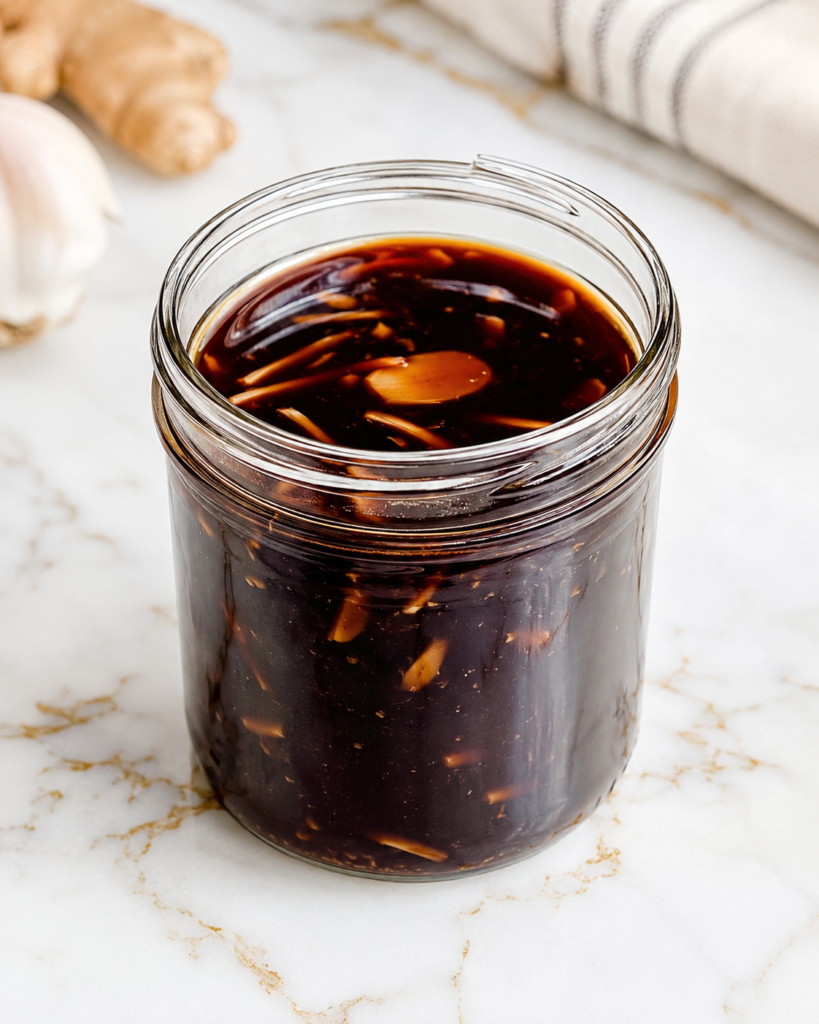
Classic teriyaki marinade is easy to make ahead and keep ready for busy meals. You can whisk the marinade together up to 5 days in advance and store it in a sealed jar or airtight container in the refrigerator.
If the honey or brown sugar settles at the bottom, give the jar a good shake before using. The garlic and ginger flavor will get a little stronger as it sits, which can make the marinade taste even better.
You can also portion the marinade with raw chicken, beef, pork, or tofu in freezer-safe bags. Freeze flat, then thaw overnight in the refrigerator so the food marinates as it defrosts.
For seafood, wait to add the marinade until shortly before cooking. Shrimp and salmon are more delicate and only need a short marinating time to pick up flavor.
Instructions
Step 1: Combine the Soy Sauce and Water
Add the low-sodium soy sauce and water to a medium mixing bowl. Whisk them together to create the salty base of the marinade.
Using water helps soften the soy sauce so the marinade does not taste too strong. This is especially helpful when cooking for kids or using the marinade for longer soaking times.
Step 2: Add the Sweeteners
Add the packed brown sugar and honey to the bowl. Whisk until the sugar begins to dissolve into the liquid.
The sweetness balances the salty soy sauce and helps the food caramelize as it cooks. If the honey is thick, let the mixture sit for a minute and whisk again.
Step 3: Add Vinegar and Sesame Oil
Pour in the rice vinegar and sesame oil. Whisk until the marinade looks smooth and blended.
The vinegar adds a gentle tang that keeps the marinade from tasting too sweet. The sesame oil adds a warm, nutty flavor, so a little goes a long way.
Step 4: Stir in Garlic and Ginger
Add the minced garlic and grated fresh ginger to the bowl. Stir well so they spread evenly through the marinade.
Fresh garlic and ginger give the marinade its bright, homemade flavor. If you are making it ahead, the flavor will become a little stronger as it rests.
Step 5: Add Optional Heat
Stir in the red pepper flakes if you want a little spice. Use a small amount for gentle warmth or leave them out for a mild family-friendly marinade.
You can also add heat later to individual servings. This keeps the main batch easy for kids and spice-sensitive eaters.
Step 6: Marinate the Food
Place chicken, beef, pork, tofu, or vegetables in a zip-top bag or shallow container. Pour the marinade over the top and turn everything so it is evenly coated.
Cover and refrigerate while it marinates. Chicken, beef, pork, and tofu can marinate for 30 minutes to 8 hours, while vegetables usually need 20 to 60 minutes.
Step 7: Marinate Seafood Briefly
If using shrimp or salmon, marinate for only 15 to 30 minutes. Seafood absorbs flavor quickly and can become too soft if left too long in the marinade.
Keep seafood cold while it marinates. Remove it from the marinade right before cooking for the best texture.
Step 8: Cook as Desired
Remove the food from the marinade and cook it by grilling, baking, pan-searing, broiling, or stir-frying. Discard used marinade unless you plan to boil it fully.
For good browning, let excess marinade drip off before cooking. This helps the food caramelize instead of steaming.
Step 9: Turn Unused Marinade Into Sauce
If you reserved marinade that did not touch raw meat, pour it into a small saucepan. Bring it to a gentle simmer over medium heat.
To thicken it, stir the cornstarch with 2 tablespoons cold water in a small bowl, then whisk the slurry into the simmering marinade. Cook for 1 to 2 minutes until glossy and slightly thickened.
Step 10: Serve with Garnishes
Brush the cooked food with the thickened sauce or spoon it over rice bowls. Sprinkle with toasted sesame seeds and sliced green onions if using.
Serve warm with rice, noodles, vegetables, or salad. The sauce adds shine, flavor, and a little extra sweetness to the finished dish.
Serving Suggestions
Use classic teriyaki marinade for chicken thighs and serve them over white rice or brown rice. Add steamed broccoli or carrots for a simple family dinner.
Brush it over salmon before baking or grilling. The sweet-savory flavor pairs well with cucumber salad, rice, or roasted green beans.
Toss it with tofu cubes and let them marinate before pan-searing. Serve the tofu in bowls with rice, edamame, shredded carrots, and green onions.
Use it for beef or chicken skewers on the grill. The marinade helps the edges caramelize and makes the skewers great for casual dinners or cookouts.
Stir-fry marinated vegetables like bell peppers, mushrooms, zucchini, and broccoli. Serve them with noodles or rice for an easy meatless meal.
Turn the marinade into a sauce and drizzle it over rice bowls, lettuce wraps, or leftover grilled meat. It is a simple way to make leftovers taste fresh again.
Leftovers and Storage
Store unused classic teriyaki marinade in an airtight jar or container in the refrigerator for up to 5 days. Shake or whisk it before using because the garlic, ginger, and sweeteners can settle.
Do not save marinade that has touched raw meat, poultry, or seafood unless you boil it fully. Bring it to a steady boil for at least 1 minute before using it as a sauce.
Cooked teriyaki chicken, beef, pork, tofu, or vegetables can be stored in airtight containers in the refrigerator for up to 4 days. Keep extra sauce separate when possible so the food does not become too soft.
You can freeze the marinade by itself for up to 3 months. You can also freeze it with raw chicken, beef, pork, or tofu so it is ready to thaw and cook later.
Thaw frozen marinade or marinated food overnight in the refrigerator. Cook it soon after thawing for the best flavor and texture.
Nutrition and Benefits
- Soy sauce gives the marinade its deep savory flavor. Using low-sodium soy sauce helps control salt while still keeping the classic teriyaki taste.
- Garlic and ginger add fresh flavor and make the marinade taste homemade. They work well with many proteins, vegetables, rice bowls, and noodle dishes.
- Honey and brown sugar add sweetness and help create caramelized edges during cooking. This makes grilled or pan-seared food taste richer and more flavorful.
- Rice vinegar balances the sweetness with gentle tang. This keeps the marinade from feeling too heavy or overly sweet.
- Sesame oil adds a nutty aroma and makes the marinade taste warm and rounded. Since it has a strong flavor, just a tablespoon is enough for the whole batch.
Recipe FAQ
Can I use teriyaki marinade as a sauce?
Yes, but only if it has not touched raw meat or if you boil it fully first. Reserved marinade can be simmered and thickened with cornstarch to make a glossy sauce. This is great for rice bowls, grilled chicken, salmon, tofu, or vegetables.
How long should I marinate chicken?
Chicken can marinate for 30 minutes to 8 hours. Boneless pieces pick up flavor faster than large bone-in pieces. Avoid marinating too long because the texture can become too soft.
Can I use this marinade for salmon?
Yes, it works very well with salmon. Keep the marinating time short, about 15 to 30 minutes. Salmon is delicate and does not need a long soak to taste flavorful.
Can I make this marinade without sesame oil?
Yes, you can leave out the sesame oil if needed. The marinade will still taste sweet, savory, and garlicky. You can add a small drizzle of neutral oil if you want a smoother texture.
Is this teriyaki marinade gluten-free?
It is gluten-free only if you use gluten-free soy sauce or tamari. Regular soy sauce usually contains wheat. Always check labels if cooking for someone who needs gluten-free food.
Can I freeze meat in teriyaki marinade?
Yes, chicken, beef, pork, and tofu can be frozen with the marinade. Place everything in a freezer-safe bag, press out the air, and freeze flat. Thaw in the refrigerator before cooking.
Why is my teriyaki sauce too salty?
It may be from using regular soy sauce instead of low-sodium soy sauce. Add a little water, honey, or brown sugar to balance it. Serving it with plain rice or vegetables can also help soften the salty flavor.
A Sweet-Savory Marinade for Easy Family Meals
Classic teriyaki marinade is simple, dependable, and full of flavor that works with so many dinners. The soy sauce, honey, brown sugar, garlic, ginger, and sesame oil come together quickly and make chicken, beef, pork, seafood, tofu, and vegetables taste special.
I love keeping this marinade ready because it makes meal prep easier and gives plain ingredients a comforting, homemade finish. It is worth making again for rice bowls, grilled dinners, freezer meals, and busy nights when flavor needs to be simple and reliable.