Mac and cheese has always been one of those dishes that feels like a warm hug at the end of a long day. In my house, it’s the meal everyone quietly hopes for when the day has been busy, the weather has been gloomy, or we simply want something familiar and comforting on the table.
This Three-Cheese Mac and Cheese Recipe became a staple after years of testing different combinations, textures, and techniques to find the version that makes both kids and adults genuinely happy.

I remember making early versions that were either too thick, too bland, or oddly grainy, and each time I knew it could be better. This recipe grew slowly, shaped by family dinners, leftovers reheated for lunch, and requests for “the good mac and cheese” again and again.
What I love most is that it feels special without being complicated, and it tastes like something you’d happily serve for a holiday meal or a regular Tuesday night.
Why You’ll Love This Recipe
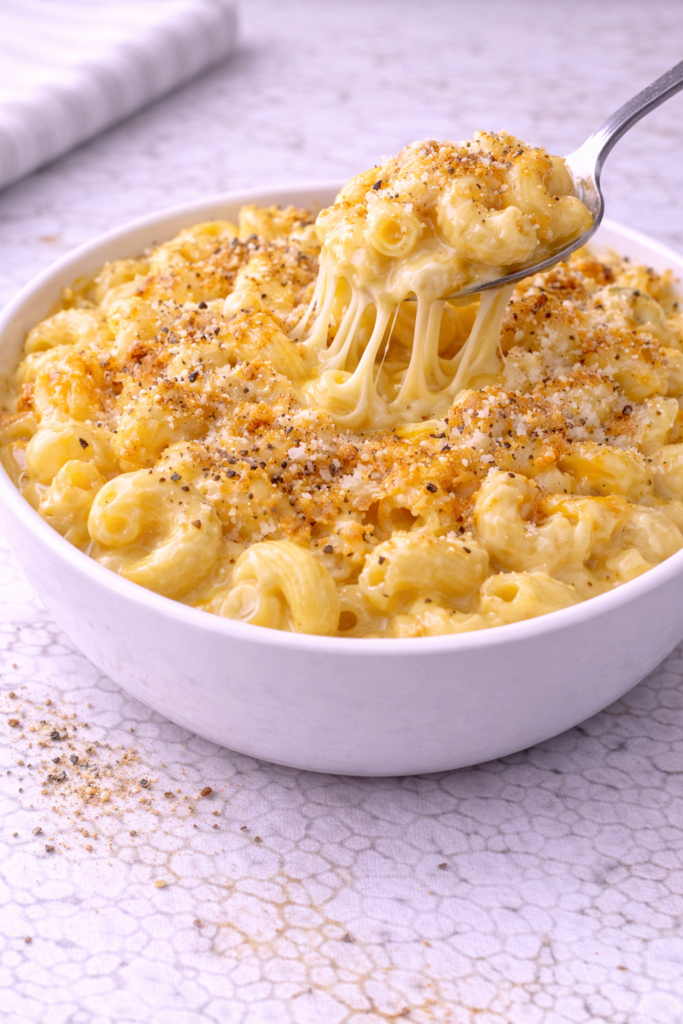
This Three-Cheese Mac and Cheese Recipe delivers rich, creamy flavor without feeling heavy or overwhelming. The blend of cheeses creates a balanced sauce that is smooth, stretchy, and deeply satisfying, with each cheese playing an important role. You get comfort food flavor that still feels thoughtfully made.
The recipe is straightforward and approachable, even if you don’t make homemade mac and cheese often. The steps are clear, the ingredients are easy to find, and the result is consistent every time. It’s a recipe that builds confidence and rewards you with dependable results.
Families love this dish because it’s familiar yet elevated. Kids enjoy the creamy texture and cheesy taste, while adults appreciate the depth of flavor and homemade touch. It works just as well for a casual dinner as it does for a gathering where you want something comforting and crowd-pleasing.
Serves: 2 people
This recipe is written to serve two generous portions, making it perfect for a cozy dinner or a simple shared meal. The portions are satisfying without being excessive, and the recipe scales easily if you want to serve more people. You can double or triple the ingredients with no special adjustments needed.
Ingredients You’ll Need
Pasta Base
- 8 ounces elbow macaroni
- 1 teaspoon salt, for boiling water
Cheese Sauce
- 2 tablespoons unsalted butter
- 2 tablespoons all-purpose flour
- 1 1/2 cups whole milk, warmed
- 1/2 cup heavy cream
- 1 cup shredded sharp cheddar cheese
- 1/2 cup shredded mozzarella cheese
- 1/2 cup shredded Parmesan cheese
Seasonings
- 1/2 teaspoon garlic powder
- 1/4 teaspoon onion powder
- 1/4 teaspoon black pepper
- 1/4 teaspoon paprika
- Salt to taste
Pro Tips
Shred your own cheese rather than using pre-shredded bags whenever possible. Freshly shredded cheese melts more smoothly and creates a creamier sauce without a gritty texture. This small step makes a big difference in the final result.
Warm your milk slightly before adding it to the roux. Cold milk can slow down the thickening process and increase the chance of lumps forming. Warm milk blends in more smoothly and helps the sauce come together faster.
Cook the pasta just until al dente, not overly soft. The pasta will continue to absorb sauce as it sits, and slightly firm noodles hold their shape better. This keeps the final dish creamy instead of mushy.
Add the cheese gradually and off the heat when possible. Stirring in cheese slowly prevents overheating, which can cause separation. Gentle heat keeps the sauce smooth and glossy.
Taste the sauce before combining it with the pasta. Adjust salt and seasoning at this stage so the final dish is perfectly balanced. It’s easier to fix seasoning before everything is mixed together.
Tools You’ll Need
- Medium pot for boiling pasta
- Large saucepan or skillet
- Whisk
- Wooden spoon or silicone spatula
- Measuring cups and spoons
- Colander
Substitutions and Variations
You can swap the elbow macaroni for shells, cavatappi, or rotini if that’s what you have on hand. These shapes hold sauce well and create the same creamy experience. The cooking time may vary slightly, so keep an eye on doneness.
For a slightly lighter version, you can replace the heavy cream with additional whole milk. The sauce will still be creamy, just a bit less rich. This option works well for everyday meals.
If you prefer a sharper flavor, increase the amount of sharp cheddar and reduce the mozzarella slightly. This creates a bolder cheese profile that adults often enjoy. It’s a simple adjustment that changes the personality of the dish.
To add a bit of texture, you can stir in a small handful of crispy bacon bits or sautéed onions. These additions complement the cheese without overpowering it. Keep the portions modest so the mac and cheese remains the star.
For a mild heat, add a pinch of cayenne pepper or a few dashes of hot sauce. This adds warmth without making the dish spicy. It’s an easy way to give the recipe a subtle kick.
Make Ahead Tips
This Three-Cheese Mac and Cheese Recipe can be partially prepared ahead of time to make busy days easier. You can cook the pasta and prepare the cheese sauce separately, then store them in airtight containers in the refrigerator for up to two days. Keeping them separate prevents the pasta from absorbing too much sauce before serving.
When you are ready to serve, gently reheat the cheese sauce on the stovetop over low heat. Stir frequently and add a splash of milk or cream to loosen the sauce if needed. Warm the pasta separately or briefly in the microwave before combining.
If you prefer to assemble everything ahead, mix the pasta and sauce together and store the finished mac and cheese in the refrigerator. Before serving, reheat slowly on the stovetop or in the oven with a little extra milk stirred in. This helps restore the creamy texture.
This recipe also works well for prepping earlier in the day. You can make the entire dish, let it cool slightly, and refrigerate it until dinner. Reheating gently keeps the cheese sauce smooth and comforting.
Instructions
Step 1: Cook the Pasta
Bring a medium pot of water to a rolling boil over high heat. Add the salt and elbow macaroni, then stir briefly to prevent sticking. Cook the pasta according to package instructions until just al dente.
Drain the pasta in a colander and shake off excess water. Set it aside while you prepare the cheese sauce. Do not rinse the pasta, as the starch helps the sauce cling better.
Step 2: Melt the Butter
Place a large saucepan or skillet over medium heat. Add the unsalted butter and let it melt completely, swirling the pan to coat the bottom evenly. The butter should melt without browning.
Once melted, keep the heat steady and move on quickly to the next step. This helps prevent the butter from overheating. A smooth base is key for a creamy sauce.
Step 3: Make the Roux
Sprinkle the all-purpose flour evenly over the melted butter. Whisk continuously to combine, creating a smooth paste with no visible dry spots. Cook the roux for about one minute to remove the raw flour taste.
The mixture should look slightly thick and pale in color. Avoid letting it brown, as this can change the flavor of the sauce. Gentle heat works best here.
Step 4: Add the Milk and Cream
Slowly pour the warmed whole milk into the roux while whisking constantly. Add the heavy cream next, continuing to whisk until the mixture is smooth. This gradual process helps prevent lumps.
Let the sauce cook for several minutes, whisking frequently, until it thickens slightly. The texture should be similar to a loose gravy. This forms the base of your cheese sauce.
Step 5: Season the Sauce
Add the garlic powder, onion powder, black pepper, paprika, and a small pinch of salt. Whisk to distribute the seasonings evenly throughout the sauce. Taste and adjust seasoning as needed.
Seasoning at this stage ensures balanced flavor. The sauce should already taste good before adding the cheese. Remember that cheese will add saltiness as well.
Step 6: Add the Cheeses
Reduce the heat to low before adding the cheese. Add the shredded sharp cheddar, mozzarella, and Parmesan a handful at a time, stirring gently after each addition. Allow each portion to melt fully before adding more.
Keep the heat low to avoid overheating the cheese. The sauce should become smooth, glossy, and thick. If it seems too thick, add a splash of milk to loosen it.
Step 7: Combine Pasta and Sauce
Add the cooked macaroni directly into the cheese sauce. Use a wooden spoon or spatula to gently fold the pasta into the sauce until evenly coated. Take your time to ensure every piece is covered.
Let the mixture cook together over low heat for one to two minutes. This allows the flavors to meld and the sauce to cling to the pasta. Stir gently to avoid breaking the noodles.
Step 8: Adjust Consistency and Flavor
Check the consistency of the mac and cheese. If it feels too thick, stir in a small amount of milk until it reaches your desired creaminess. If it feels too thin, let it cook for another minute.
Taste again and adjust seasoning with additional salt or pepper if needed. This final check ensures the dish is perfectly balanced. Once satisfied, remove from heat.
Step 9: Rest Before Serving
Let the mac and cheese rest for two to three minutes before serving. This brief rest helps the sauce settle and thicken slightly. It also makes serving easier.
Stir once more just before plating. The texture should be creamy and smooth. The dish is now ready to enjoy.
Serving Suggestions
Serve this Three-Cheese Mac and Cheese Recipe straight from the pan while it is hot and creamy. It works beautifully as a main dish for a simple dinner. A small side salad balances the richness.
This mac and cheese pairs well with roasted vegetables like broccoli or green beans. The vegetables add color and freshness to the plate. This makes the meal feel complete and balanced.
You can also serve it alongside grilled chicken or baked fish. The creamy cheese sauce complements mild proteins nicely. This option is great when feeding adults and kids together.
For a cozy comfort-food meal, pair it with warm bread or soft dinner rolls. The bread is perfect for scooping up extra sauce. This combination feels especially satisfying on cooler evenings.
If you want a fun presentation, serve the mac and cheese in individual bowls or ramekins. This makes it feel special without extra effort. It’s a simple way to elevate a familiar dish.
Leftovers and Storage
Leftover Three-Cheese Mac and Cheese can be stored in an airtight container in the refrigerator for up to three days. The sauce will thicken as it chills, which is completely normal. Keeping it tightly sealed helps preserve the creamy texture and flavor.
To reheat, warm the mac and cheese gently on the stovetop over low heat. Add a splash of milk or cream and stir frequently to bring the sauce back to life. Slow reheating prevents the cheese from separating.
You can also reheat individual portions in the microwave. Heat in short intervals and stir between each one to ensure even warming. Adding a small amount of milk helps keep it creamy.
Freezing is possible, but the texture may change slightly. If freezing, store in a freezer-safe container for up to two months. Thaw overnight in the refrigerator before reheating gently.
Nutrition and Benefits
This Three-Cheese Mac and Cheese Recipe provides a satisfying balance of comfort and nourishment. The combination of dairy and pasta offers both energy and protein. It’s a filling meal that keeps you satisfied.
Cheese contributes calcium and protein, which support bone health and muscle function. Using whole milk and real cheese provides richness without the need for additives. This makes the dish feel more wholesome.
Homemade mac and cheese allows you to control ingredients and portions. You can adjust salt levels and avoid preservatives found in boxed versions. This makes it a better option for families.
The recipe is flexible and can be paired with vegetables or lean proteins. Adding sides helps create a more balanced meal. It fits easily into a varied diet.
Recipe FAQ
Can I use pre-shredded cheese for this recipe?
Pre-shredded cheese will work, but it may not melt as smoothly. These cheeses often contain anti-caking agents that affect texture. For the creamiest result, freshly shredded cheese is recommended.
Why did my cheese sauce turn grainy?
Grainy sauce usually happens when cheese is overheated. High heat can cause the proteins to separate. Keeping the heat low and adding cheese gradually helps prevent this issue.
Can I make this recipe gluten-free?
Yes, you can substitute gluten-free pasta and use a gluten-free flour blend for the roux. The rest of the ingredients remain the same. Always check labels to ensure all components are gluten-free.
Is this mac and cheese spicy?
This recipe is not spicy and is very kid-friendly. The seasonings add flavor without heat. You can add spice separately if desired.
Can I bake this mac and cheese?
Yes, you can transfer it to a baking dish and bake at 375°F for about 15 minutes. Baking creates a slightly firmer texture. It’s a great option if you prefer a casserole-style dish.
How do I keep the sauce creamy when reheating?
Reheat slowly and add a small amount of milk or cream. Stir often to maintain a smooth texture. Avoid high heat, which can cause separation.
Can I double the recipe easily?
This recipe doubles well with no special changes. Use a larger pot and pan to avoid overcrowding. Keep the same method and adjust seasoning to taste.
A Cozy Classic Worth Sharing
Three-Cheese Mac and Cheese is the kind of recipe that earns a permanent place in your kitchen. It’s comforting, dependable, and always satisfying, whether you’re cooking for yourself or someone you love.
With simple ingredients and thoughtful steps, this dish turns everyday moments into something special