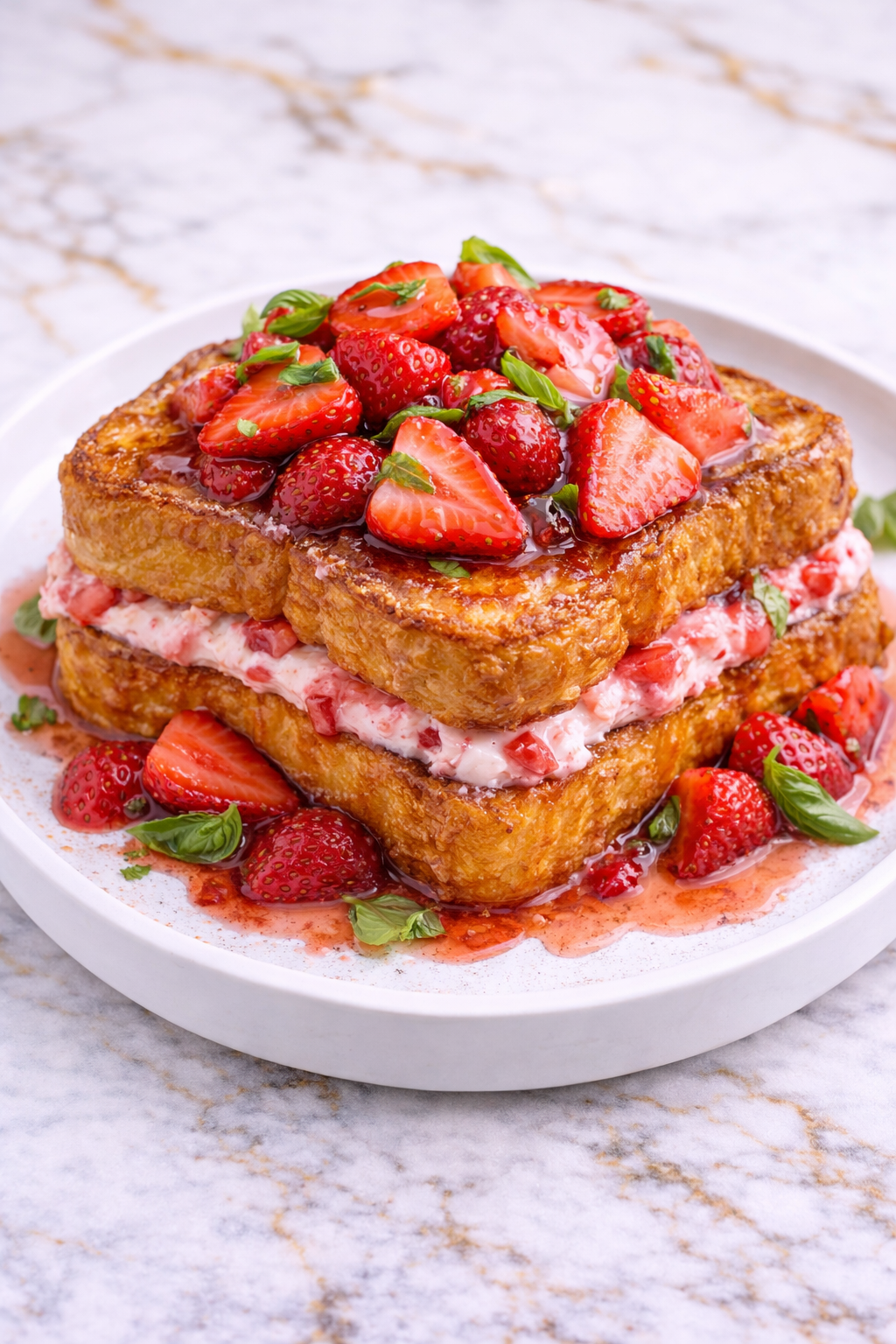
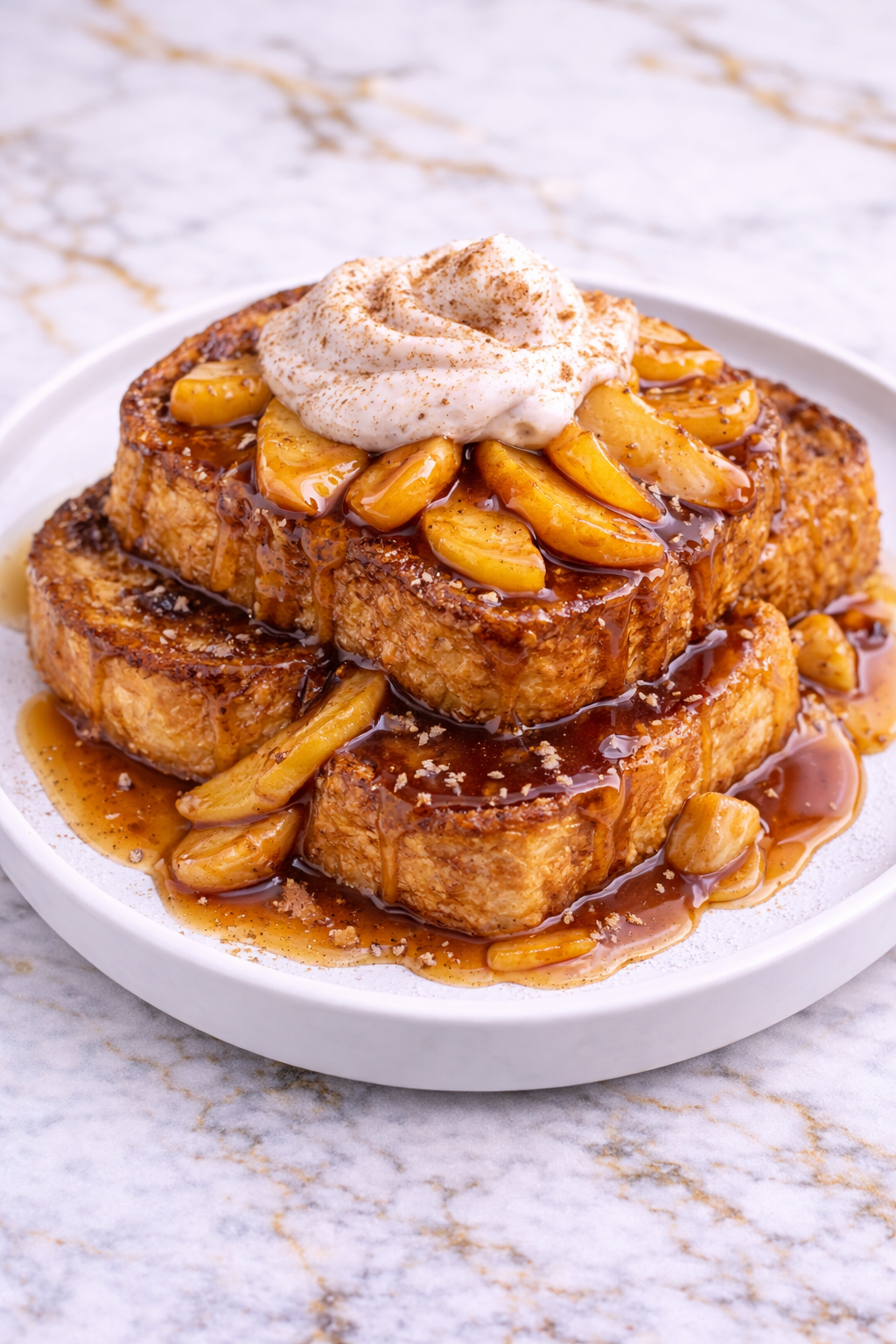
There are some breakfasts that feel like a true experience, and this rich custard-soaked French toast is one of them. I first made it on a slow weekend morning when I wanted something extra comforting, something that felt a little more special than the everyday version. The idea was simple—let the bread soak a bit longer, create a richer custard, and see just how soft and indulgent it could become.
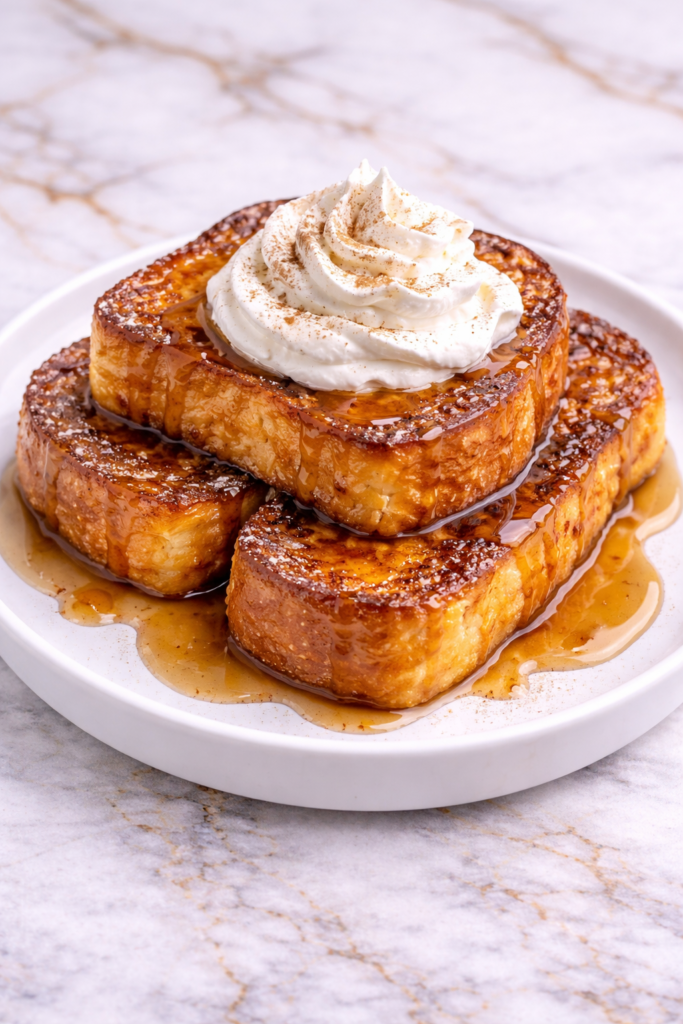
The result was everything I had hoped for and more. Each slice turned out incredibly tender on the inside, almost like a soft custard, with a golden, lightly crisp exterior that adds just the right contrast. It quickly became one of those recipes we turn to when we want breakfast to feel cozy, satisfying, and just a little luxurious.

Why You’ll Love This Recipe
This rich custard-soaked French toast is all about texture and flavor. The longer soak allows the bread to fully absorb the custard, creating a soft, almost creamy center that feels incredibly indulgent. The outside still develops a golden crust, giving you the perfect balance in every bite.
It’s also simple to make, even though it feels like something you’d order at a café. The ingredients are basic, and the steps are easy to follow, making it accessible for any home cook. With just a little extra soaking time, you get a noticeably richer result.
Another reason to love this recipe is its versatility. You can keep it classic with syrup or elevate it with fruit, whipped cream, or flavored toppings. It works just as well for a weekend brunch as it does for a comforting weekday breakfast.
Serves: 4 people
This recipe makes about 8 slices of French toast, serving approximately 4 people. The slices are rich and filling, so even one or two pieces can be very satisfying.
If you’re serving a larger group, the recipe can easily be doubled. It’s a great option for gatherings or family breakfasts where you want something that feels a bit special.
Ingredients You’ll Need
- 8 slices thick-cut bread (brioche or challah preferred)
- 4 large eggs
- 1 cup whole milk
- 1/2 cup heavy cream
- 1/4 cup granulated sugar
- 1 tablespoon vanilla extract
- 1 teaspoon ground cinnamon
- 1/4 teaspoon ground nutmeg
- 1/4 teaspoon salt
- 2 tablespoons unsalted butter (for cooking)
Pro Tips
Use slightly stale bread for the best results. It absorbs more of the custard without falling apart, which is key for this recipe.
Allow the bread to soak a little longer than usual, but keep an eye on it. You want it fully saturated without becoming too fragile to handle.
Whisk the custard mixture thoroughly to ensure a smooth consistency. This helps distribute the flavors evenly throughout each slice.
Cook over medium to medium-low heat to prevent the outside from browning too quickly. The extra custard requires a slightly slower cooking process.
Use a combination of butter and a little oil if needed to prevent burning. This helps maintain a golden, even crust.
If cooking in batches, keep finished slices warm in a low oven. This ensures everything is ready to serve together.
Tools You’ll Need
- Large mixing bowl
- Whisk
- Shallow dish or baking dish
- Nonstick skillet or griddle
- Spatula
- Measuring cups and spoons
Substitutions and Variations
If you don’t have brioche or challah, you can use thick slices of white bread or Texas toast. Just make sure the bread is sturdy enough to handle the extra soaking.
For a lighter version, you can reduce the heavy cream and replace it with more milk. This will slightly change the richness but still yield great results.
You can adjust the sweetness by reducing the sugar or adding a drizzle of maple syrup instead. This allows you to control the flavor to your preference.
For a flavor twist, try adding a bit of orange zest or almond extract to the custard. These small additions can elevate the overall taste.
If you want to make it more indulgent, top with caramel sauce or a sprinkle of powdered sugar. It’s an easy way to turn this into a special brunch dish.
Make Ahead Tips
Rich custard-soaked French toast is an excellent choice when you want to prepare breakfast ahead of time. You can mix the custard the night before and store it covered in the refrigerator, allowing the flavors to deepen. This makes the morning process quicker and more relaxed.
For an even richer result, you can soak the bread slices in the custard overnight. Arrange them in a baking dish, cover, and refrigerate so the bread fully absorbs the mixture. This method creates an even softer, more custard-like interior.
You can also cook the French toast in advance and reheat it when needed. This is especially helpful for busy mornings or when serving a group. Proper reheating helps maintain the texture and flavor.
Instructions
Step 1: Prepare the Custard
In a large mixing bowl, whisk together the eggs, whole milk, heavy cream, sugar, vanilla extract, cinnamon, nutmeg, and salt. Continue whisking until the mixture is smooth and fully combined. This ensures a rich and even custard base.
Step 2: Soak the Bread
Place the bread slices into a shallow dish and pour the custard mixture over them. Let the bread soak for several seconds on each side, or longer if needed. The slices should be fully saturated but still able to hold their shape.
Step 3: Heat the Pan
Place a nonstick skillet or griddle over medium to medium-low heat. Add butter and allow it to melt, coating the surface evenly. This helps create a golden, flavorful crust.
Step 4: Transfer to the Pan
Carefully lift each soaked slice and allow any excess custard to drip off. Place the slices onto the heated skillet. Handle gently, as the bread will be softer than usual.
Step 5: Cook the First Side
Cook the slices for about 3–4 minutes until the bottom is golden brown. Avoid moving them too much so they can develop a nice crust. The slower cooking helps the custard set properly.
Step 6: Flip and Finish Cooking
Flip each slice carefully using a spatula. Cook for another 3–4 minutes until the other side is golden and the center is fully cooked. The inside should feel soft and custardy but not wet.
Step 7: Repeat in Batches
Continue cooking the remaining slices, adding more butter as needed. Keep finished pieces warm in a low oven while you work through the batches. This ensures everything is ready to serve at once.
Step 8: Serve Warm
Transfer the French toast to a serving plate and serve immediately. Add toppings while the slices are still warm. This helps everything melt and blend together beautifully.
Serving Suggestions
Rich custard-soaked French toast pairs beautifully with a drizzle of warm maple syrup. The sweetness enhances the creamy interior without overpowering it. It’s a classic choice that always works well.
Fresh fruit such as berries, sliced bananas, or peaches adds brightness and balance. The natural sweetness and slight acidity complement the richness of the custard. It also adds color and freshness to the plate.
For a more indulgent option, top with whipped cream or a dusting of powdered sugar. This creates a dessert-like experience that’s perfect for special occasions. A drizzle of caramel sauce can add even more depth.
If you prefer a balanced meal, serve with a side of eggs or crispy bacon. The savory elements help offset the sweetness. This combination makes the breakfast more filling and satisfying.
Leftovers and Storage
Allow any leftover French toast to cool completely before storing. Place the slices in an airtight container and refrigerate for up to three days. This helps maintain both flavor and texture.
To reheat, use a skillet over medium-low heat or place the slices in a 300°F oven until warmed through. This helps restore the lightly crisp exterior while keeping the inside soft. Avoid microwaving if possible, as it can make the texture too soft.
For longer storage, French toast can be frozen. Arrange the slices in a single layer on a baking sheet until frozen, then transfer them to a freezer-safe container or bag. They can be stored for up to two months.
When ready to eat, reheat directly from frozen in the oven or toaster. This helps preserve the texture and flavor. It’s a convenient option for quick breakfasts.
Nutrition and Benefits
- This recipe provides protein from the eggs, helping keep you full and satisfied. It creates a more balanced and sustaining breakfast.
- Milk and cream contribute calcium, supporting bone health while adding richness. They also enhance the custard texture.
- Using quality bread can add fiber and nutrients, especially if you choose whole grain options. This helps make the meal more wholesome.
- Spices like cinnamon and nutmeg add flavor without needing extra sugar. They also bring warmth and depth to the dish.
- Adding fruit toppings increases vitamins and antioxidants. This helps create a more balanced and nourishing meal.
Recipe FAQ
Can I soak the bread overnight?
Yes, soaking the bread overnight creates an even richer texture. Just make sure the slices are thick and sturdy enough to hold up. This method works especially well for this recipe.
Why is my French toast too soft?
If the texture is too soft, the bread may have soaked too long or the heat may be too low. Try reducing the soaking time slightly and cooking at a steady medium-low heat. This helps the custard set properly.
Can I make this dairy-free?
Yes, you can substitute the milk and cream with dairy-free alternatives like almond or oat milk. The texture will be slightly lighter but still delicious. Choose unsweetened options for best results.
What bread works best?
Thick-cut breads like brioche or challah work best because they can absorb more custard without falling apart. Slightly stale bread also gives better results. It holds its structure while soaking.
Can I prepare the custard ahead of time?
Yes, the custard can be made in advance and stored in the refrigerator. This saves time and allows the flavors to blend. Just whisk it again before using.
How do I keep French toast warm?
Place cooked slices on a baking sheet in a low oven set to about 200°F. This keeps them warm without overcooking. It’s helpful when making multiple batches.
Can I freeze custard-soaked French toast?
Yes, it freezes well. Allow the slices to cool completely before freezing in a single layer. This prevents sticking and helps maintain quality.
A Cozy Breakfast That Feels Extra Special
Rich custard-soaked French toast is the kind of recipe that turns a simple morning into something memorable. It’s soft, comforting, and full of flavor, with just the right balance of richness and warmth.
With its creamy interior and golden exterior, it offers a breakfast experience that feels both indulgent and inviting. Keeping this recipe in your collection means you’ll always have a way to create a cozy, satisfying start to your day.