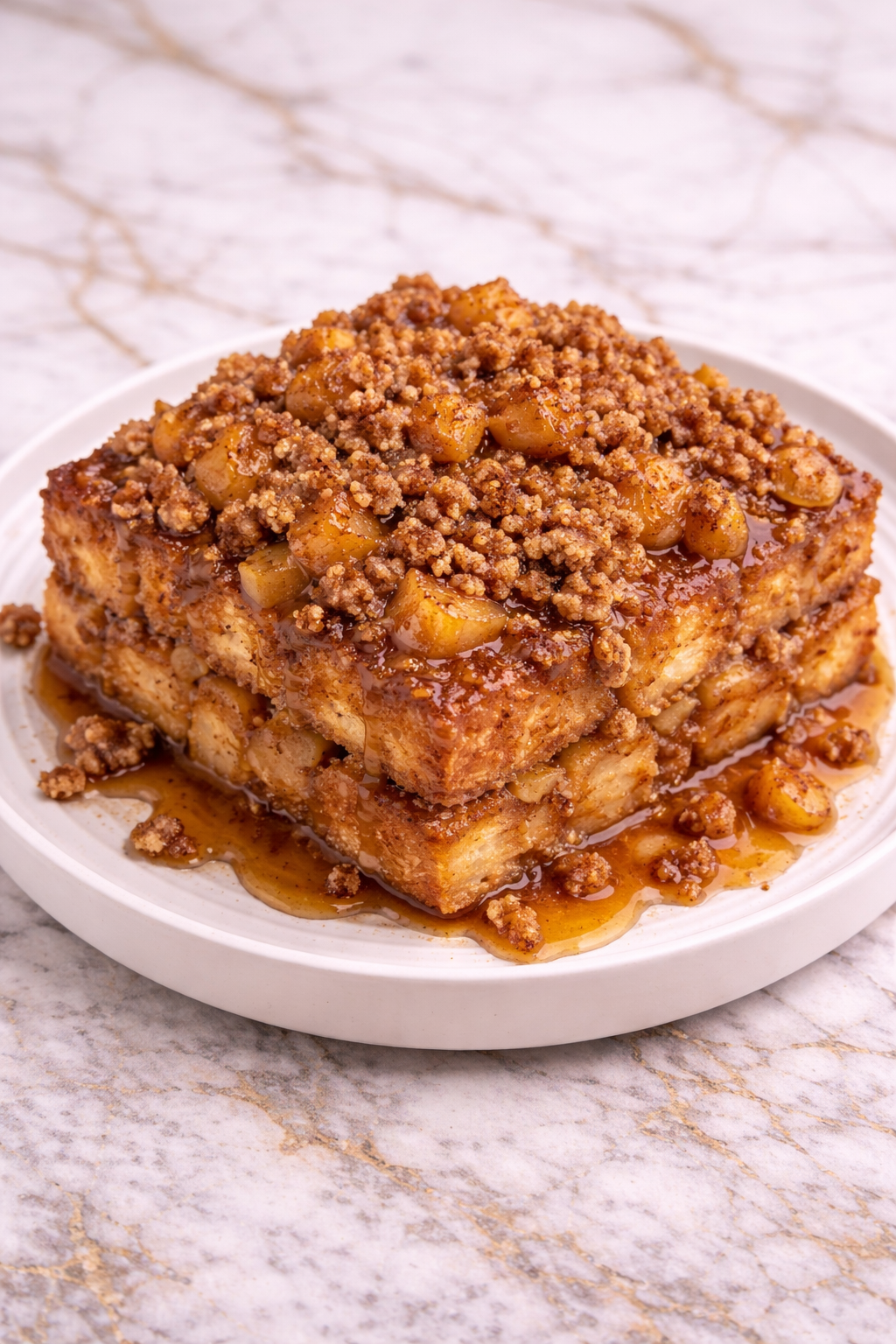
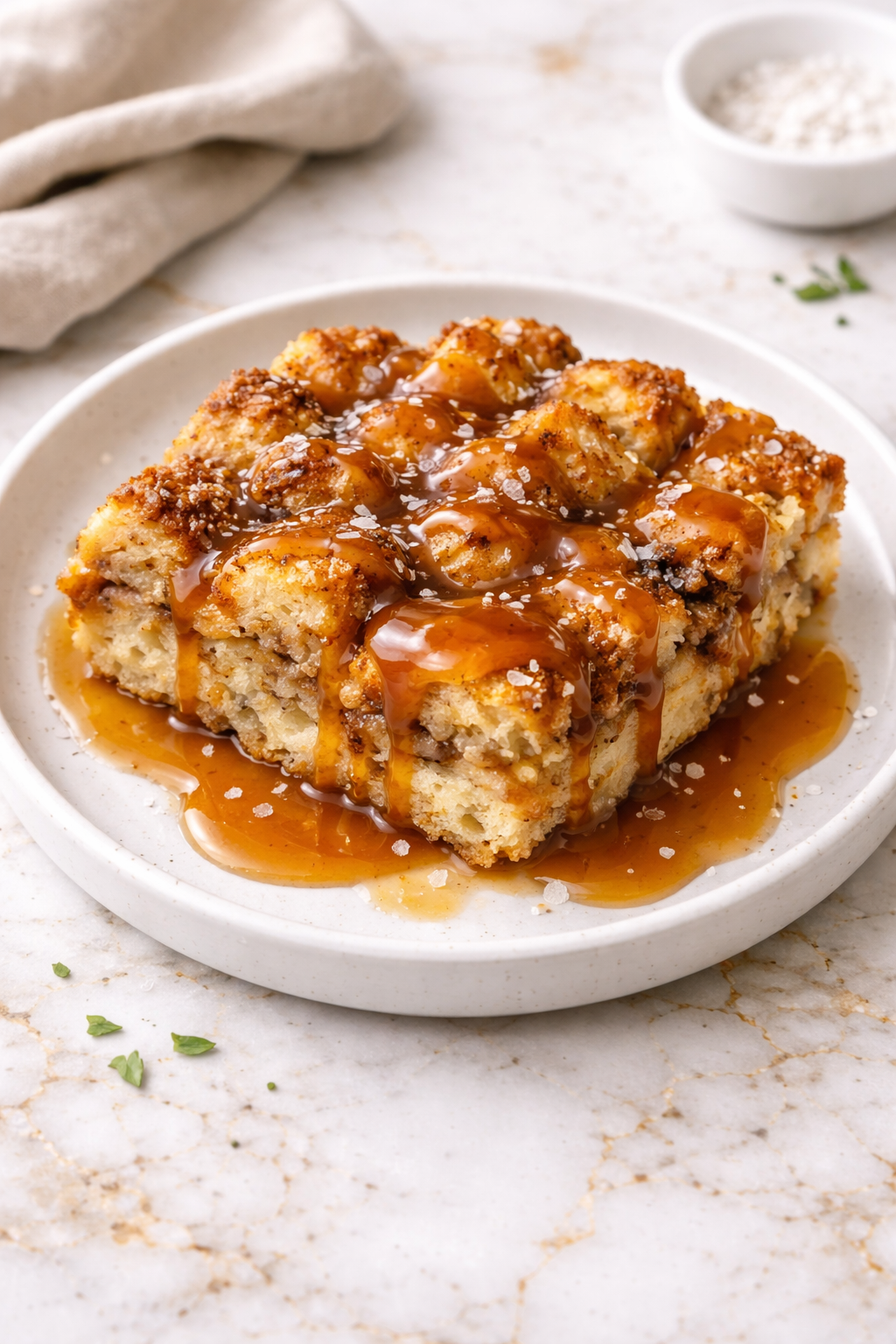
Lemon pound cake has always felt like one of those desserts that instantly brightens the day. The fresh citrus scent fills the kitchen as it bakes, and it feels both comforting and refreshing at the same time.
This is the cake I reach for when I want something classic, cheerful, and reliably delicious. Over the years, I tested many versions trying to find the right balance of rich buttery texture and bright lemon flavor.

Some were too dense, while others lacked that fresh citrus punch I wanted. This lemon pound cake became the favorite because it stays moist, slices beautifully, and tastes just as good days later.
Why You’ll Love This Recipe
This Lemon Pound Cake Recipe delivers a soft, dense crumb with a vibrant lemon flavor that never tastes artificial. The buttery base gives it richness, while the lemon keeps it light and refreshing. Every bite feels balanced and satisfying.
The recipe is simple and uses familiar ingredients you likely already have on hand. There are no complicated techniques, making it approachable for bakers of all skill levels. It’s dependable and turns out beautifully every time.
Families love this cake because it works for so many occasions. It’s perfect for dessert, brunch, or an afternoon snack with tea. The flavor is bright but gentle, making it appealing to both kids and adults.
Serves: 2 people
This recipe makes a small lemon pound cake that serves two people generously. It’s ideal for a cozy dessert or a simple treat without a lot of leftovers. The recipe can easily be doubled for gatherings or special occasions.
Ingredients You’ll Need
Cake Batter
- 1 cup all-purpose flour
- 1/4 teaspoon salt
- 1/2 cup unsalted butter, softened
- 2/3 cup granulated sugar
- 1 large egg, room temperature
- 1 tablespoon lemon zest
- 2 tablespoons fresh lemon juice
- 1/4 cup whole milk
Optional Lemon Glaze
- 1/2 cup powdered sugar
- 1 to 2 tablespoons fresh lemon juice
Pro Tips
Use fresh lemons for both the juice and zest. Bottled lemon juice does not provide the same bright flavor. Fresh zest adds natural oils that make the cake shine.
Cream the butter and sugar thoroughly until light and fluffy. This step helps create the classic pound cake texture. Rushing this step can make the cake dense.
Zest the lemon before juicing it. This makes the process easier and avoids waste. Only zest the yellow part to prevent bitterness.
Measure flour carefully to avoid a dry cake. Spoon the flour into the measuring cup and level it off. Too much flour can affect the texture.
Let the cake cool completely before adding glaze. Glazing too early can cause it to melt and soak unevenly. Cooling ensures a clean finish.
Tools You’ll Need
- Mixing bowls
- Electric mixer or whisk
- Measuring cups and spoons
- Rubber spatula
- Small loaf pan or cake pan
- Cooling rack
Substitutions and Variations
You can replace whole milk with almond milk or oat milk if needed. This works well for dairy-sensitive households. The texture remains soft and moist.
For a stronger lemon flavor, add an extra teaspoon of lemon zest. This enhances brightness without affecting texture. Lemon lovers often enjoy this adjustment.
You can substitute half of the butter with vegetable oil for extra moisture. This keeps the cake tender for longer. Use equal amounts when swapping.
To make an orange pound cake, replace lemon juice and zest with orange juice and zest. The method stays the same. This creates a warm citrus variation.
For a lightly sweet finish, skip the glaze and dust the cake with powdered sugar. This keeps the flavor simple and classic. It’s perfect for serving with tea or coffee.

Make Ahead Tips
Lemon pound cake is a wonderful dessert to prepare ahead because its flavor and texture improve with time. The cake can be baked one to two days in advance and stored tightly wrapped at room temperature. Keeping it well sealed helps maintain moisture and allows the lemon flavor to deepen.
If you want to prepare it further ahead, the unfrosted cake freezes very well. Wrap it tightly in plastic wrap, then in foil, and freeze for up to one month. Thaw the cake at room temperature before glazing or serving.
The lemon glaze can also be made ahead and stored in the refrigerator for up to three days. Stir well before using to smooth it out. Glazing the cake on the day of serving gives the cleanest look.
This cake is ideal for baking the night before an event. It slices beautifully once rested. Planning ahead makes serving simple and stress-free.
Instructions
Step 1: Prepare the Pan and Oven
Preheat the oven to 350°F. Grease a small loaf pan or cake pan and line the bottom with parchment paper. This helps prevent sticking and ensures easy removal.
Set the prepared pan aside. Proper pan preparation helps the cake bake evenly. It also protects the edges from overbrowning.
Step 2: Mix the Dry Ingredients
In a medium bowl, whisk together the flour and salt. Whisking helps distribute the salt evenly throughout the flour. Set the bowl aside.
This step ensures consistent texture. Evenly mixed dry ingredients prevent uneven flavor. It also makes combining easier later.
Step 3: Cream the Butter and Sugar
In a large mixing bowl, beat the softened butter and granulated sugar together. Mix until the mixture is pale, light, and fluffy. This usually takes two to three minutes.
This step incorporates air into the batter. Air helps create a tender crumb. Do not rush this process.
Step 4: Add the Egg
Add the egg to the butter mixture and beat until fully combined. Scrape down the sides of the bowl as needed. The batter should look smooth and cohesive.
Mixing the egg in fully helps stabilize the batter. This creates a consistent structure. Proper blending prevents separation.
Step 5: Add Lemon Zest and Juice
Add the lemon zest and fresh lemon juice to the batter. Mix gently until evenly incorporated. The batter will smell bright and citrusy.
The zest provides most of the lemon flavor. The juice adds freshness and balance. Together they create a well-rounded taste.
Step 6: Alternate Dry Ingredients and Milk
Add half of the dry ingredients to the batter and mix gently. Pour in the milk and mix until just combined. Add the remaining dry ingredients and mix again.
Avoid overmixing at this stage. Overmixing can make the cake dense. Stop mixing as soon as the batter is smooth.
Step 7: Transfer Batter to Pan
Pour the batter into the prepared pan. Use a spatula to smooth the top evenly. Tap the pan gently on the counter to release air bubbles.
Smoothing the top helps the cake bake evenly. Releasing air bubbles prevents large holes. This step improves appearance and texture.
Step 8: Bake the Cake
Place the pan in the preheated oven. Bake for 35 to 45 minutes, depending on pan size. The cake is done when a toothpick inserted in the center comes out clean.
The top should be lightly golden. Avoid opening the oven too early. Consistent heat ensures proper rising.
Step 9: Cool the Cake
Remove the cake from the oven and let it cool in the pan for about 10 minutes. Carefully turn it out onto a cooling rack. Remove the parchment paper.
Allow the cake to cool completely before glazing. Cooling helps the structure set. It also prevents glaze from melting too quickly.
Step 10: Make the Lemon Glaze
In a small bowl, whisk together powdered sugar and fresh lemon juice. Add juice gradually until smooth and pourable. The glaze should be thick but fluid.
Adjust consistency as needed. A thicker glaze sits on top, while a thinner glaze soaks in slightly. Choose based on preference.
Step 11: Glaze the Cake
Drizzle the glaze over the cooled cake. Let it drip naturally down the sides. Allow the glaze to set for a few minutes before slicing.
Glazing adds extra lemon flavor. It also creates a beautiful finish. This step is optional but recommended.
Serving Suggestions
Serve lemon pound cake slightly warm or at room temperature. Both highlight its buttery texture. It pairs well with many occasions.
This cake is lovely served with fresh berries. Strawberries or blueberries complement the citrus flavor. The contrast feels fresh and light.
Lemon pound cake pairs beautifully with tea or coffee. The bright flavor balances warm drinks. It works well as an afternoon treat.
For a more indulgent dessert, serve with a dollop of whipped cream. The cream softens the citrus edge. This creates a balanced finish.
Leftover slices can be enjoyed the next day. The flavor often deepens overnight. This makes it a great make-ahead dessert.
Leftovers and Storage
Leftover lemon pound cake should be stored properly to keep it moist and flavorful. Wrap the cake tightly in plastic wrap or place slices in an airtight container. It can be kept at room temperature for up to two days if unglazed or lightly glazed.
If the cake is fully glazed, refrigeration helps preserve the finish. Store it in a covered container in the refrigerator for up to four days. Bring slices to room temperature before serving for the best texture and flavor.
This cake also freezes well for longer storage. Wrap individual slices tightly and place them in a freezer-safe container. Thaw at room temperature before enjoying.
Nutrition and Benefits
Lemon pound cake is a classic dessert that offers comfort and enjoyment in every slice. It provides carbohydrates for energy and fats that contribute to satiety. Enjoyed in moderation, it fits well into a balanced lifestyle.
Using fresh lemon juice and zest adds natural flavor without relying on artificial ingredients. Baking at home allows you to control sweetness and portion size. This makes the dessert feel more thoughtful and intentional.
The bright citrus flavor can feel lighter than heavier desserts. Lemon adds freshness that balances the richness of butter. This makes the cake satisfying without feeling overwhelming.
Recipe FAQ
Why did my pound cake turn out dry?
Dry cake is often caused by too much flour or overbaking. Measuring carefully and checking doneness early helps prevent this. Removing the cake as soon as a toothpick comes out clean keeps it moist.
Can I use bottled lemon juice instead of fresh?
Fresh lemon juice is recommended for the best flavor. Bottled juice lacks the brightness of fresh citrus. Zest from fresh lemons also adds essential oils.
How do I keep my pound cake from sticking to the pan?
Greasing the pan well and lining the bottom with parchment paper helps. Letting the cake cool slightly before removing also prevents sticking. These steps ensure clean release.
Can I make this cake without glaze?
Yes, lemon pound cake is delicious without glaze. You can dust it lightly with powdered sugar if desired. It also tastes great plain.
Why is my cake dense?
Pound cake is naturally denser than other cakes, but overmixing can make it heavy. Mixing just until combined helps maintain a tender crumb. Creaming butter and sugar well also helps.
Can I double this recipe?
Yes, this recipe doubles easily. Use a larger pan or two pans and adjust baking time. Always test for doneness before removing from the oven.
Is lemon pound cake good for brunch or dessert?
Yes, it works beautifully for both. The bright lemon flavor makes it great for daytime gatherings. It also serves well as a light dessert.
A Bright Slice of Classic Comfort
Lemon pound cake is the kind of recipe that feels both timeless and cheerful. Its buttery crumb and fresh citrus flavor make it comforting without feeling heavy.
Whether enjoyed quietly at home or shared with others, it’s a cake that always feels just right.