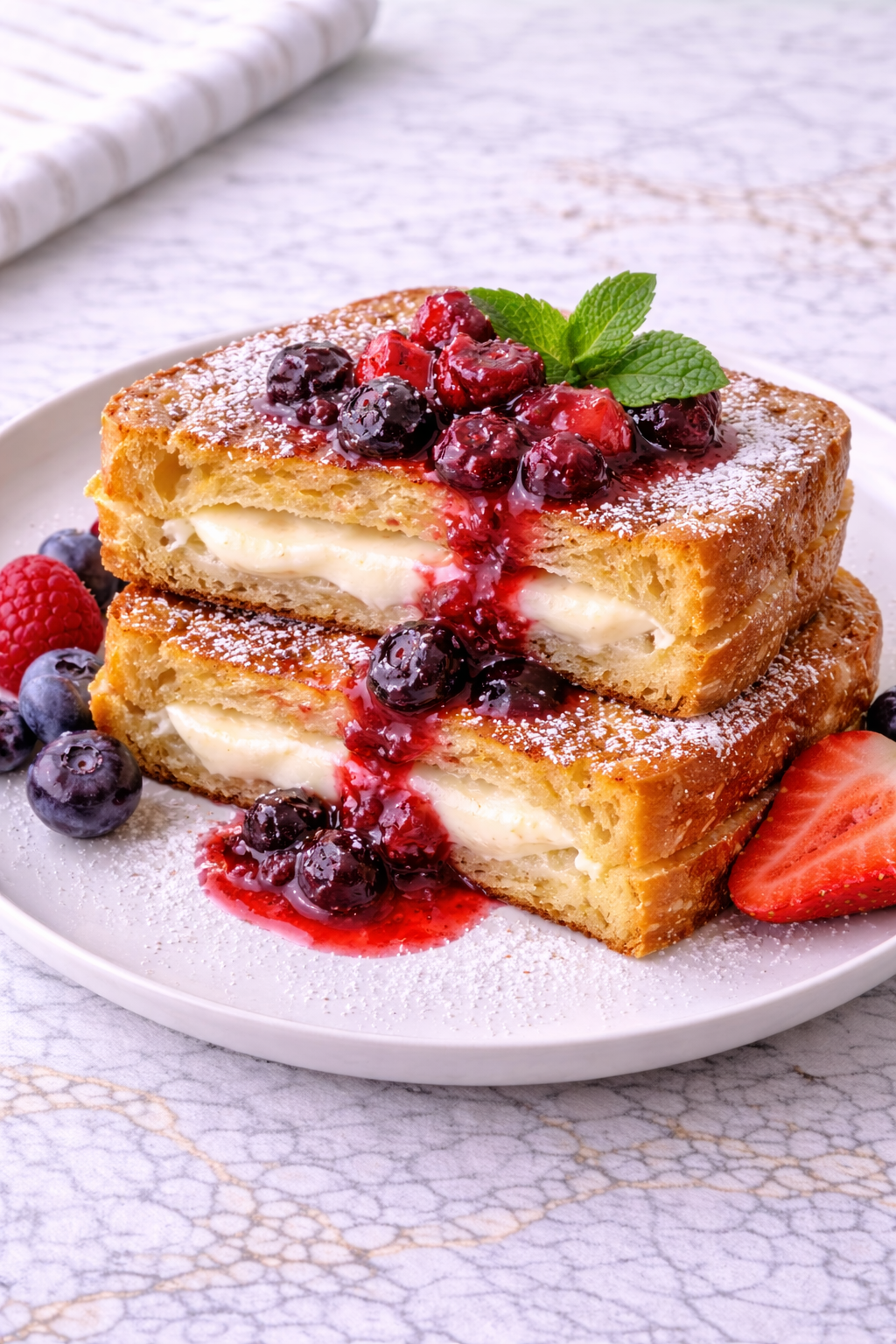
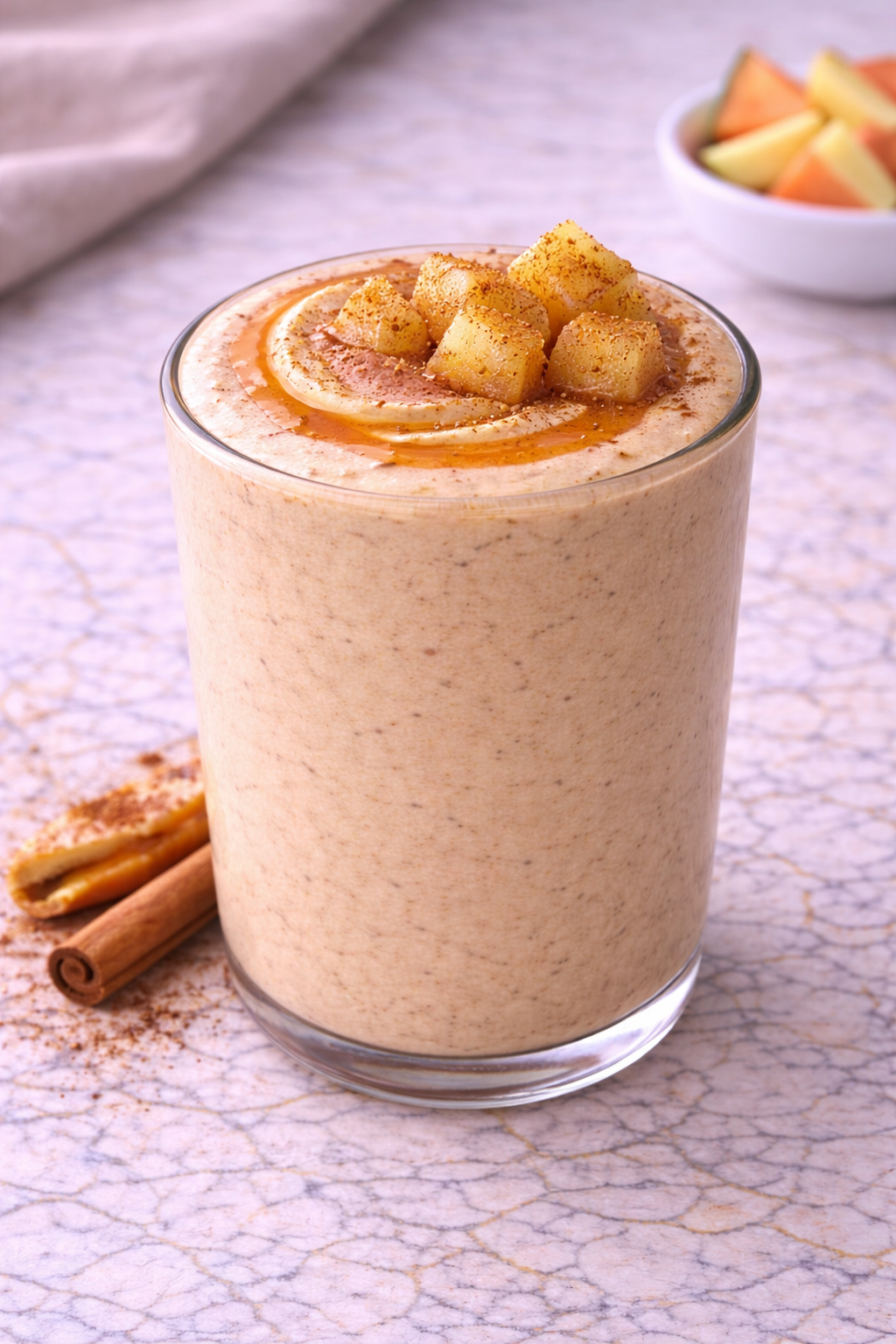
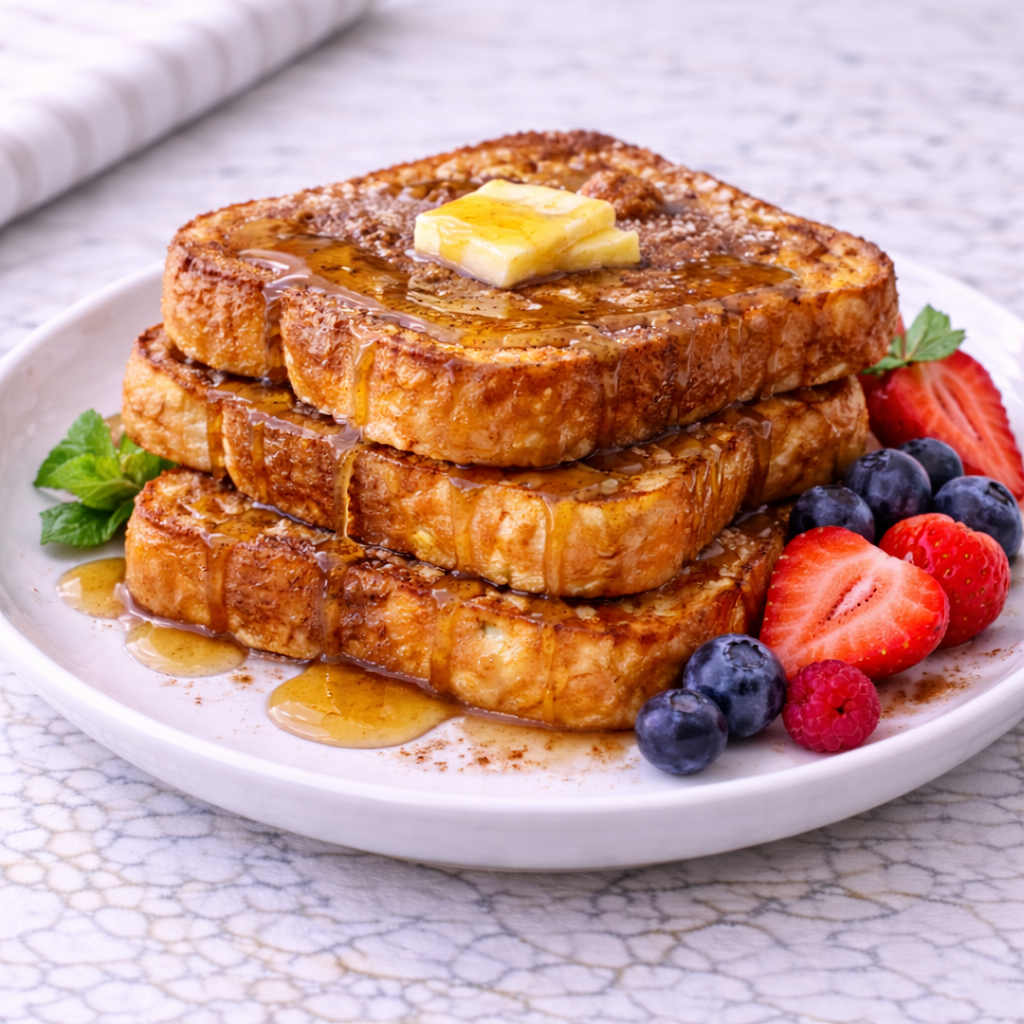
This Classic Cinnamon French Toast Recipe is one of those breakfasts that instantly makes a morning feel special. It reminds me of slow weekends, warm kitchens, and the simple comfort of sitting down together before the day gets busy.
It is familiar, cozy, and always feels like a small treat, even though it is made with very simple ingredients.

French toast has always been a favorite in our home because it feels indulgent without being complicated. The smell of cinnamon and vanilla warming in a skillet has a way of drawing everyone into the kitchen. This recipe became our go-to because it is reliable, comforting, and easy to make again and again.
What I love most about this version is how balanced it feels. The bread is soft on the inside, lightly crisp on the outside, and perfectly flavored with cinnamon. It never feels too heavy or overly sweet, just warm and satisfying.
Over time, this recipe became more than just breakfast. It became a tradition we return to on relaxed mornings and special days alike. It is the kind of meal that slows everything down in the best way.
Why You’ll Love This Recipe
This French toast has a soft, custardy center with lightly crisp edges that feel comforting and familiar. The cinnamon adds warmth without overpowering the flavor, and the vanilla keeps everything balanced. Every bite feels rich but not heavy.
Another reason this recipe stands out is how easy it is to make. It uses everyday ingredients and simple steps, making it approachable even for beginners. You do not need any special equipment or techniques.
This recipe is also very family-friendly. It is easy to adjust sweetness, spices, or toppings based on personal preferences. Whether served plain or dressed up, this Classic Cinnamon French Toast Recipe fits effortlessly into any morning.
Serves: 2–4 people
This recipe comfortably serves two to four people, depending on portion size. It works well as a full breakfast or as part of a larger brunch spread. The recipe can easily be doubled if you are cooking for a crowd.
Ingredients You’ll Need
This recipe uses simple pantry staples that come together beautifully. Each ingredient plays a role in creating soft, flavorful French toast.
- 4 slices thick-cut bread
- 2 large eggs
- 1/2 cup milk
- 1 teaspoon ground cinnamon
- 1 teaspoon vanilla extract
- 1 tablespoon granulated sugar
- 1 tablespoon butter, plus more for cooking
- Pinch of salt
Thick-cut bread works best because it soaks up the custard without falling apart. Brioche, challah, or Texas toast are all great choices.
Eggs create the custard base that gives French toast its soft texture. Milk keeps the mixture light and smooth.
Cinnamon adds warmth and comfort. Vanilla enhances the overall flavor without making it sweet.
A small amount of sugar helps with browning and flavor. Butter adds richness and helps create a golden crust.
Salt balances the sweetness and brings all the flavors together.
Pro Tips
Use slightly stale bread if possible. Day-old bread absorbs the custard better without becoming soggy.
Whisk the eggs thoroughly so the mixture is smooth. This helps coat the bread evenly.
Do not soak the bread too long. A quick dip on each side is enough for thick slices.
Cook French toast over medium heat. This allows the inside to cook through without burning the outside.
Wipe the skillet clean between batches if butter starts to brown too quickly. Fresh butter helps maintain flavor.
Serve immediately for the best texture. French toast is always best hot and fresh.
Tools You’ll Need
This recipe requires only basic kitchen tools, making it easy to prepare anytime.
- Mixing bowl
- Whisk
- Shallow dish or bowl
- Large skillet or griddle
- Spatula
- Measuring cups and spoons
A shallow dish makes dipping the bread easier and more even. A nonstick skillet or griddle helps prevent sticking and ensures even browning.
Substitutions and Variations
You can replace milk with almond milk, oat milk, or another dairy-free option. This works well without changing texture much.
Brown sugar can replace granulated sugar for a deeper flavor. Use the same amount.
Nutmeg can be added along with cinnamon for extra warmth. A small pinch is enough.
For a richer custard, replace part of the milk with cream. This makes the French toast more indulgent.
Whole wheat or gluten-free bread can be used if preferred. Choose thicker slices for best results.
Make Ahead Tips
French toast is always best when cooked fresh, but a little preparation can make mornings smoother. Planning ahead helps you enjoy this recipe without feeling rushed.
You can whisk the egg mixture the night before and store it covered in the refrigerator. This saves time and allows the cinnamon and vanilla to blend together.
Bread can also be sliced ahead of time and left out overnight. Slightly stale bread absorbs the custard better and cooks more evenly.
If you are cooking for a group, you can prepare several slices at once and keep them warm in the oven. This helps everything stay hot until serving.
Leftover cooked French toast can be refrigerated and reheated later. While fresh is best, this option works well for busy mornings.
Instructions
Step 1: Prepare the Custard Mixture
In a medium mixing bowl, crack the eggs and whisk until smooth. Make sure the yolks and whites are fully combined.
Add the milk, cinnamon, vanilla extract, sugar, and salt. Whisk again until the mixture is evenly blended and slightly frothy.
Step 2: Preheat the Skillet
Place a large skillet or griddle over medium heat. Add a small amount of butter and allow it to melt completely.
The skillet should be warm but not smoking. Medium heat helps cook the French toast evenly.
Step 3: Dip the Bread
Pour the custard mixture into a shallow dish. Place one slice of bread into the mixture and let it soak briefly.
Flip the bread and coat the other side. Avoid soaking too long to prevent sogginess.
Step 4: Cook the First Side
Transfer the dipped bread to the hot skillet. Let it cook undisturbed for about 2 to 3 minutes.
The underside should turn golden brown and lightly crisp before flipping.
Step 5: Flip and Cook the Second Side
Carefully flip the bread using a spatula. Cook the second side for another 2 to 3 minutes.
The French toast should be evenly browned and cooked through.
Step 6: Repeat with Remaining Bread
Remove the cooked slice from the skillet and place it on a plate. Add more butter to the skillet as needed.
Repeat the dipping and cooking process with the remaining slices.
Step 7: Serve Warm
Serve the French toast immediately while hot. This preserves the best texture and flavor.
Arrange slices neatly and prepare toppings if desired.
Serving Suggestions
Serve French toast with warm maple syrup for a classic combination. The sweetness pairs perfectly with cinnamon.
Fresh fruit like berries or sliced bananas adds brightness and freshness. This balances the richness of the toast.
A dusting of powdered sugar creates a simple, elegant finish. Use it lightly for best results.
Pair French toast with crispy bacon or sausage for a savory contrast. This makes the meal more filling.
Serve alongside scrambled eggs for a complete breakfast plate. The combination is both comforting and satisfying.
Enjoy with coffee, tea, or warm milk for a cozy morning experience.
Leftovers and Storage
This French toast is best enjoyed fresh from the skillet, when the edges are crisp and the center is soft and warm. Freshly cooked slices have the most comforting texture and flavor.
If you have leftovers, allow them to cool completely before storing. Place the slices in an airtight container and refrigerate for up to two days.
To reheat, warm French toast in a skillet over low heat or in a toaster oven. This helps restore some of the crisp edges without drying it out.
Microwaving is possible, but it may soften the texture. If using a microwave, heat briefly and avoid overheating.
Freezing is also an option for longer storage. Place cooled slices between pieces of parchment paper and freeze in a sealed container for up to one month.
Nutrition and Benefits
This French toast provides a comforting balance of carbohydrates and protein. It offers steady energy that works well for mornings.
Eggs contribute protein and help support fullness. They also create the custardy texture that makes French toast satisfying.
Milk adds calcium and richness. It helps keep the custard light and smooth.
Cinnamon brings warmth and flavor without added sweetness. It enhances the overall taste while keeping the recipe simple.
Using thick-cut bread helps create a filling breakfast that feels indulgent yet familiar. When enjoyed mindfully, it fits easily into a balanced morning.
Recipe FAQ
What type of bread works best for French toast?
Thick-cut bread works best because it absorbs the custard without falling apart. Brioche, challah, or Texas toast are all excellent choices.
Slightly stale bread is ideal. It soaks up flavor more evenly and cooks better.
Can I make this recipe dairy-free?
Yes, you can replace milk with almond milk, oat milk, or another plant-based option. The texture will still be soft and custardy.
Use dairy-free butter for cooking if needed. The flavor will remain warm and comforting.
Why is my French toast soggy?
French toast can become soggy if the bread is soaked too long. A quick dip on each side is enough.
Cooking over heat that is too low can also cause sogginess. Medium heat allows moisture to cook off properly.
Can I reduce the sugar in this recipe?
Yes, the sugar amount can be reduced or omitted. Cinnamon and vanilla still provide plenty of flavor.
You can rely on toppings like fruit or syrup for sweetness instead.
Can I prepare French toast for a crowd?
Yes, you can cook multiple slices and keep them warm in the oven at a low temperature. This works well for brunch gatherings.
Place cooked slices on a baking sheet in a single layer to maintain texture.
Is this recipe suitable for children?
Yes, this recipe is very kid-friendly. The flavor is mild and familiar.
You can adjust cinnamon or sweetness based on preference. Serve with fruit for a balanced plate.
Can I add other spices?
Yes, a small pinch of nutmeg or cardamom can be added. Use lightly so the cinnamon remains the main flavor.
Spices should enhance, not overpower, the custard.
A Cozy Breakfast That Never Goes Out of Style
This Classic Cinnamon French Toast Recipe is the kind of breakfast that brings warmth and comfort to the table.
It feels familiar, dependable, and quietly special, no matter the occasion.
Whether enjoyed on a slow weekend morning or shared with family on a busy day, it remains a simple and timeless way to start the day well.